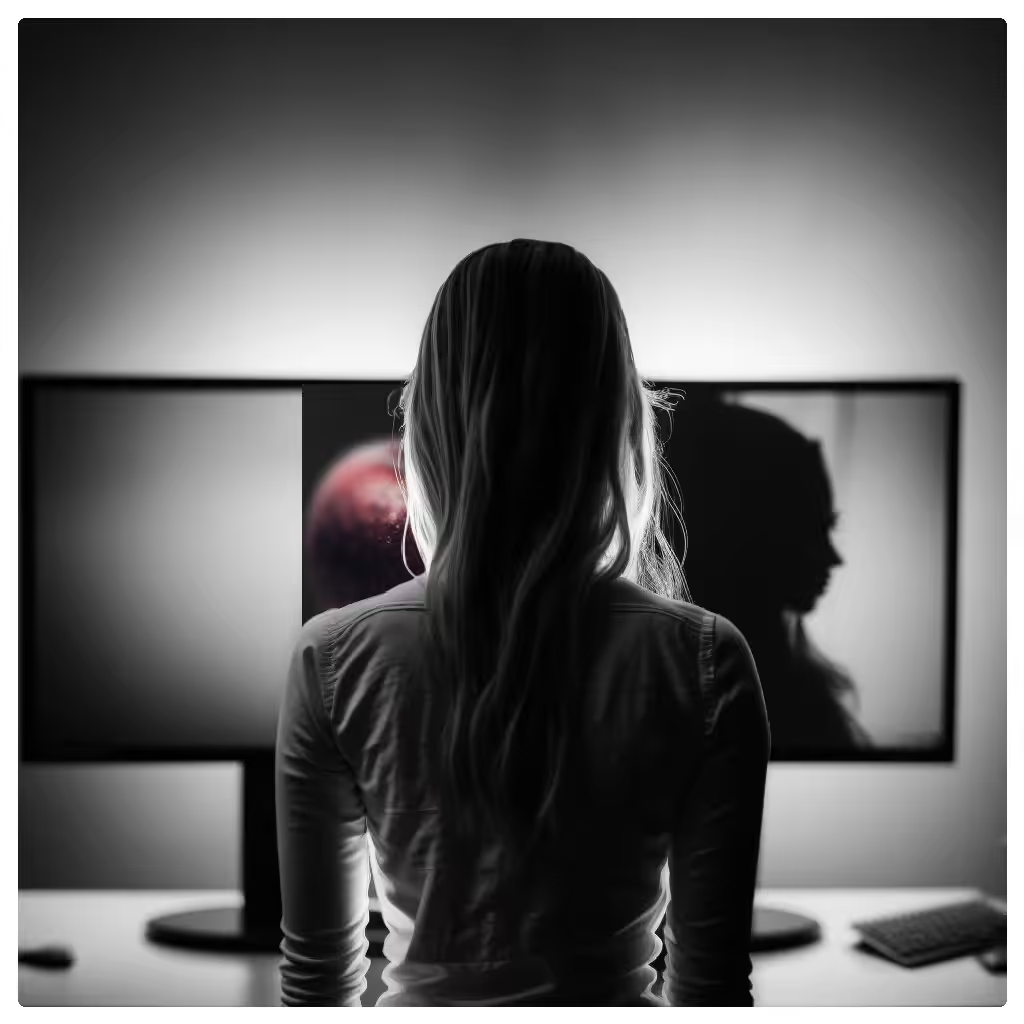
Omnia: Mary's Room
Mary's room is a thought experiment proposed by philosopher Frank Jackson in the 1980s to challenge physicalism and the nature of consciousness. The experiment involves Mary, a brilliant scientist who has lived her entire life in a black and white room and has never seen colors. However, Mary has studied everything there is to know about colors and color vision. The question is whether or not Mary would learn something new when she sees color for the first time, given that she already knows everything there is to know about the physical properties of colors and color vision. Some argue that Mary would indeed learn something new, as there is a qualitative aspect of seeing colors that cannot be fully explained by physical properties alone. The experiment raises questions about the nature of consciousness, qualia, and the limitations of scientific understanding. It has had a significant impact on the development of philosophy of mind and cognitive science, and has been used to explore a range of related questions in fields such as neuroscience and artificial intelligence. Ai, AR compatible via Artvive. CC0 video by cottonbros studios