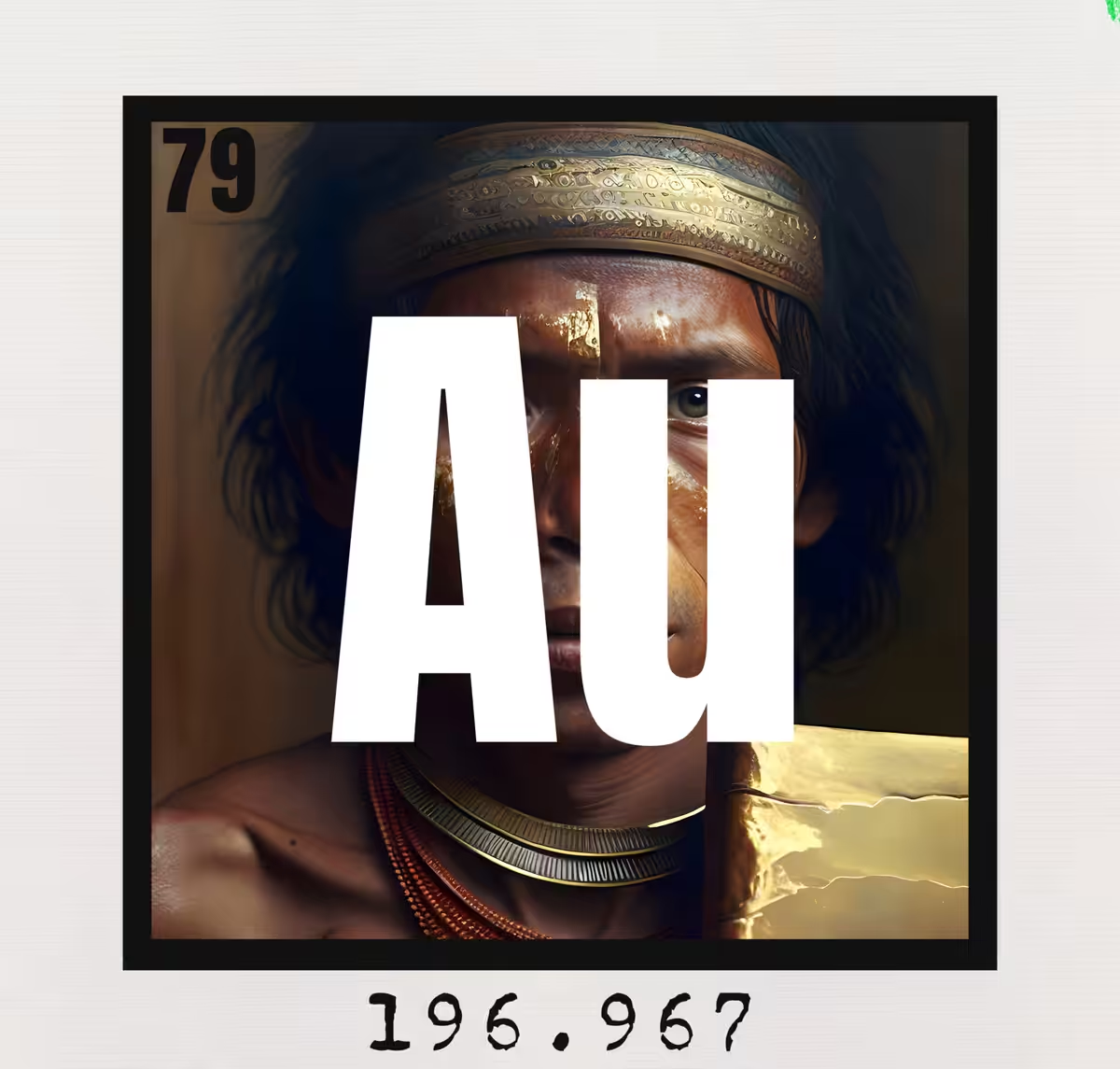
Omnia: Au
The Yanomami are an indigenous people native to the Amazon rainforest in Brazil and Venezuela. They have lived in the region for thousands of years, with a population of around 35,000 individuals. The Yanomami are known for their unique culture, traditional lifestyle, and strong connection to their ancestral lands.
However, the Yanomami have faced numerous challenges in recent years, particularly due to the impact of gold mining in their territories. Gold mining has led to deforestation, pollution, and destruction of the environment, which has severely impacted the Yanomami's way of life.
The Yanomami have been affected by the negative consequences of gold mining, including:
Loss of land and habitat: Gold mining activities have resulted in the destruction of forests and the displacement of Yanomami communities from their ancestral lands. Pollution: Mercury, a toxic substance used in gold mining, has contaminated the rivers and soil, posing a threat to the Yanomami's health and the environment. Violence and conflict: The presence of gold miners has led to violent conflicts between the miners and the Yanomami, as well as among the miners themselves. Health issues: The Yanomami have been affected by diseases such as malaria, which has increased due to the presence of gold miners and the destruction of their natural habitat. Cultural erosion: The Yanomami's traditional way of life, including their cultural practices and beliefs, is at risk of being eroded due to the impact of gold mining. In recent years, there have been efforts to address the issue of gold mining in Yanomami territories. The Brazilian government has implemented measures to regulate and control the mining activities, and there have been campaigns to raise awareness about the impacts of gold mining on the Yanomami people. However, the issue remains a significant challenge for the Yanomami, and continued efforts are needed to protect their rights and ensure their well-being. (Ai edit)