Friendship: International Women’s Day
"Gender equality is both a fundamental human right, and a solution to some of our greatest global challenges. But half of humanity is held back by the most widespread human rights abuse of our time... " said United Nations (UN) Secretary-General António Guterres, outlining priorities for 2023 to the General Assembly.
"Gender equality is a question of power. The patriarchy, with millennia of power behind it, is reasserting itself. The United Nations is fighting back and standing up for the rights of women and girls everywhere."
Gender equality is so important to the UN that it’s central to the Sustainable Development Goals.
And the continued fight for women’s rights is marked each year by International Women’s Day (IWD).
What is International Women’s Day and when did it start?
International Women's Day (IWD) takes place on 8 March every year. It began life as National Women’s Day in the United States back in February 1909. The following year, at the second International Conference of Working Women in Copenhagen, Denmark, women’s rights activist Clara Zetkin called for an international women’s day to give women a greater voice to further their demands for equal rights.
It was unanimously approved by the female attendees from 17 countries, including Finland’s first three women MPs. International Women’s Day was marked for the first time in March 1911 – and the date was fixed as 8 March in 1913. The UN celebrated it for the first time in 1975 and in 1996 it announced its first annual theme: "Celebrating the past, Planning for the Future".
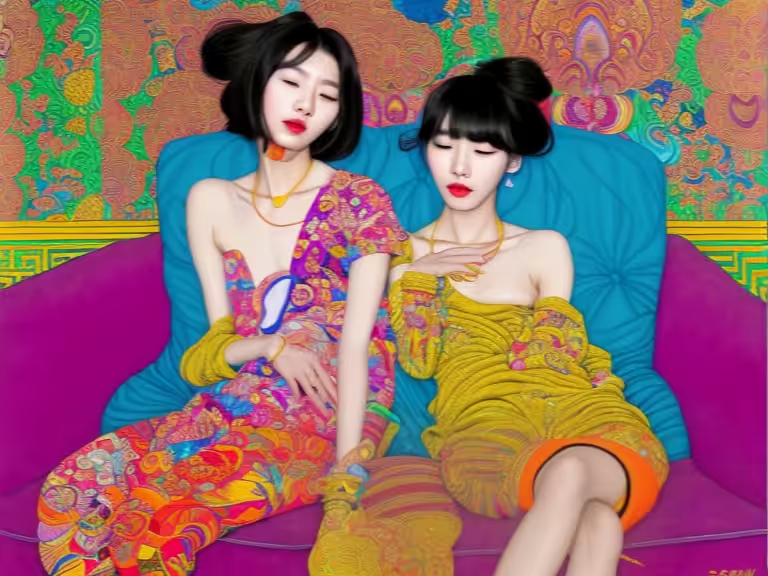
This Token celebrate for International Women’s Day. Process art work on Dream studio /SD/PS.