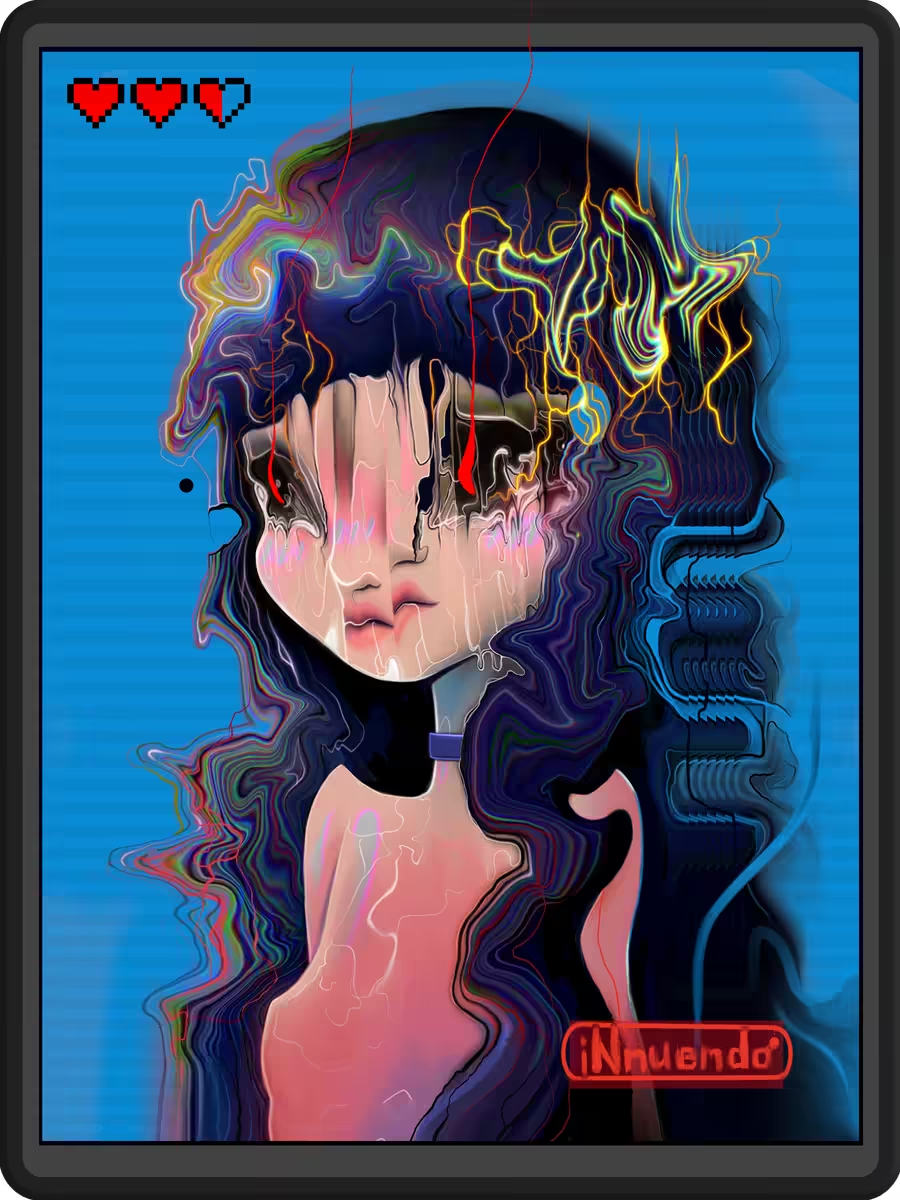
CLUSTER F*CK: Ctrl-Z Azzurra
The pain occurs almost always on one side of the head, around the eye, particularly behind or above the eye, in the temple. Described as burning, stabbing, drilling or squeezing. While suicide is rare, those with cluster headaches may experience suicidal thoughts (giving the alternative name "suicide headache" or "suicidal headache"). The term "headache" does not adequately convey the severity of the condition; the disease may be the most painful condition known to medical science.
If left untreated, attack frequency may range from one attack every two days to eight attacks per day. Drooping eyelid, pupil constriction, redness of the conjunctiva, tearing, runny nose and less commonly, facial blushing, swelling, or sweating, typically appearing on the same side of the head as the pain. Similar to migraine, sensitivity to light (photophobia) or noise (phonophobia) will probably occur during a CH. Nausea is a rare symptom although it has been reported.
Restlessness (for example, pacing or rocking back and forth) will probably occur. For me personally it's impossible to stand, I writhe and twitch in my bed, sometimes I scream to my own surprise. Secondary effects may include the inability to organize thoughts and plans, physical exhaustion, confusion, agitation, aggressiveness, depression, and anxiety. Personally... It triggers my other mental disorders pretty badly. My audio video hallucinations especially.
People with CH may dread facing another attack and adjust their physical or social activities around a possible future occurrence. They will probably hesitate to make plans because of the regularity, or conversely, the unpredictability of the pain schedule. These factors can lead to generalized anxiety disorders, panic disorder, serious depressive disorders, social withdrawal and isolation.
Thank you for coming to my TedTalk. Stay tuned for more, oh it gets worse.