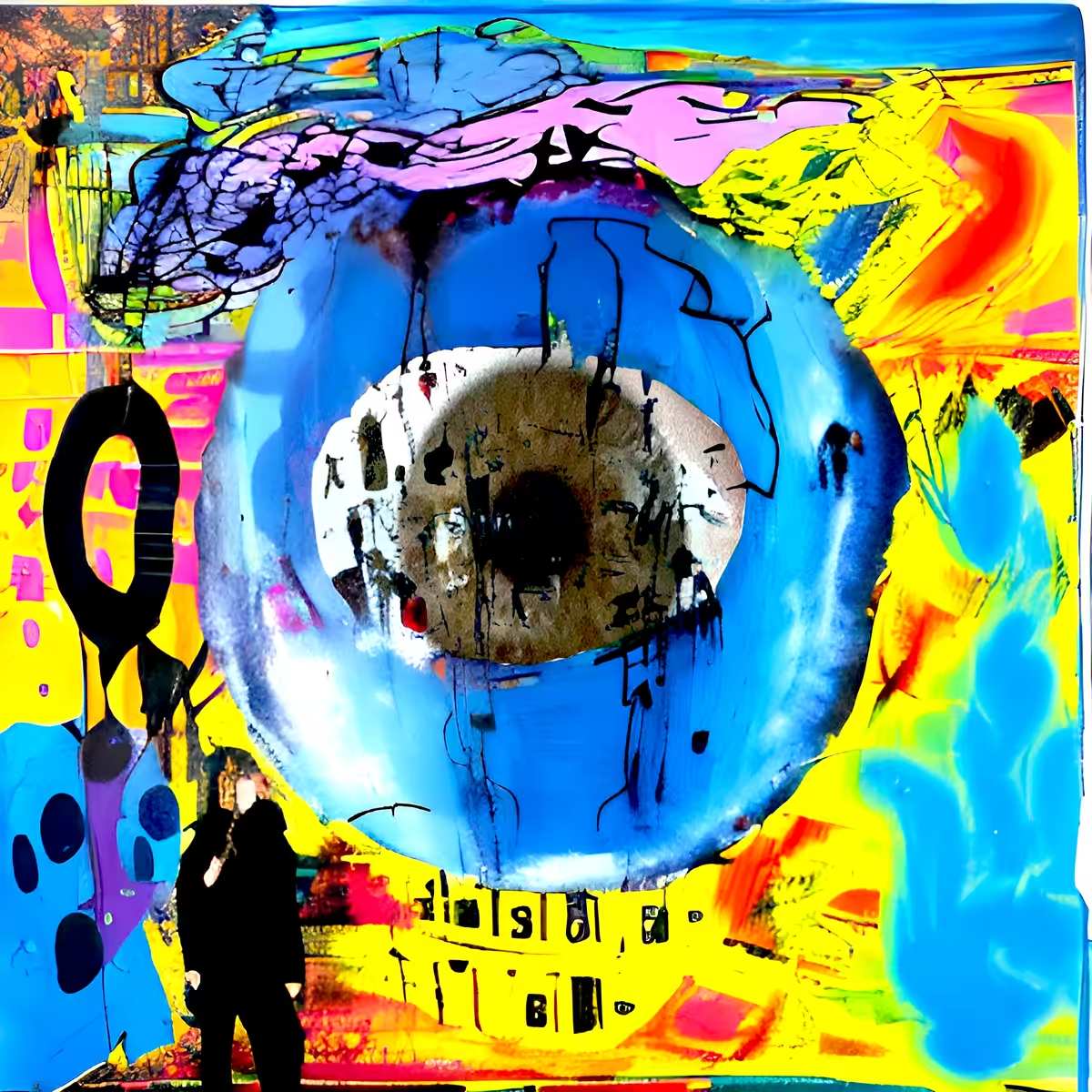
Madness abounds: we see the world how we want
The way we perceive the world around us is shaped by a complex interplay of our experiences, beliefs, and biases. Our minds are constantly processing a barrage of sensory input, and it's up to us to decide what we want to focus on and how we want to interpret it.
In many ways, we see the world how we want to see it. Our thoughts and emotions color our perceptions, shaping the way we experience everything from a beautiful sunset to a challenging work project. When we're feeling happy and optimistic, even the most mundane tasks can seem imbued with a sense of purpose and joy. On the other hand, when we're feeling down or anxious, the world can seem bleak and hostile, with even the most stunning natural wonders appearing dull and lifeless.
But it's important to remember that our perceptions are not the same as objective reality. The way we see the world is just one of many possible interpretations, shaped by our unique experiences and perspectives. By recognizing the power of our own perceptions, we can start to challenge our own biases and see the world in a more nuanced and compassionate way. With practice, we can begin to see past our own preconceptions and connect more deeply with the people and world around us.