"Myths of the Future": Hope Remains
The myth of Pandora is not a warning about curiosity. It is a parable about the duality of a gift.
In the older version Zeus sends Pandora with a pithos — a clay jar, not a box. Inside are not abstract “miseries” but ills: disease, old age, toil, envy. Everything that makes life fragile. When the lid is lifted, they drift into the world. At the bottom remains Elpis — ἐλπίς. Not simply “hope.” Rather — expectation, potential, that very incompletion of being.
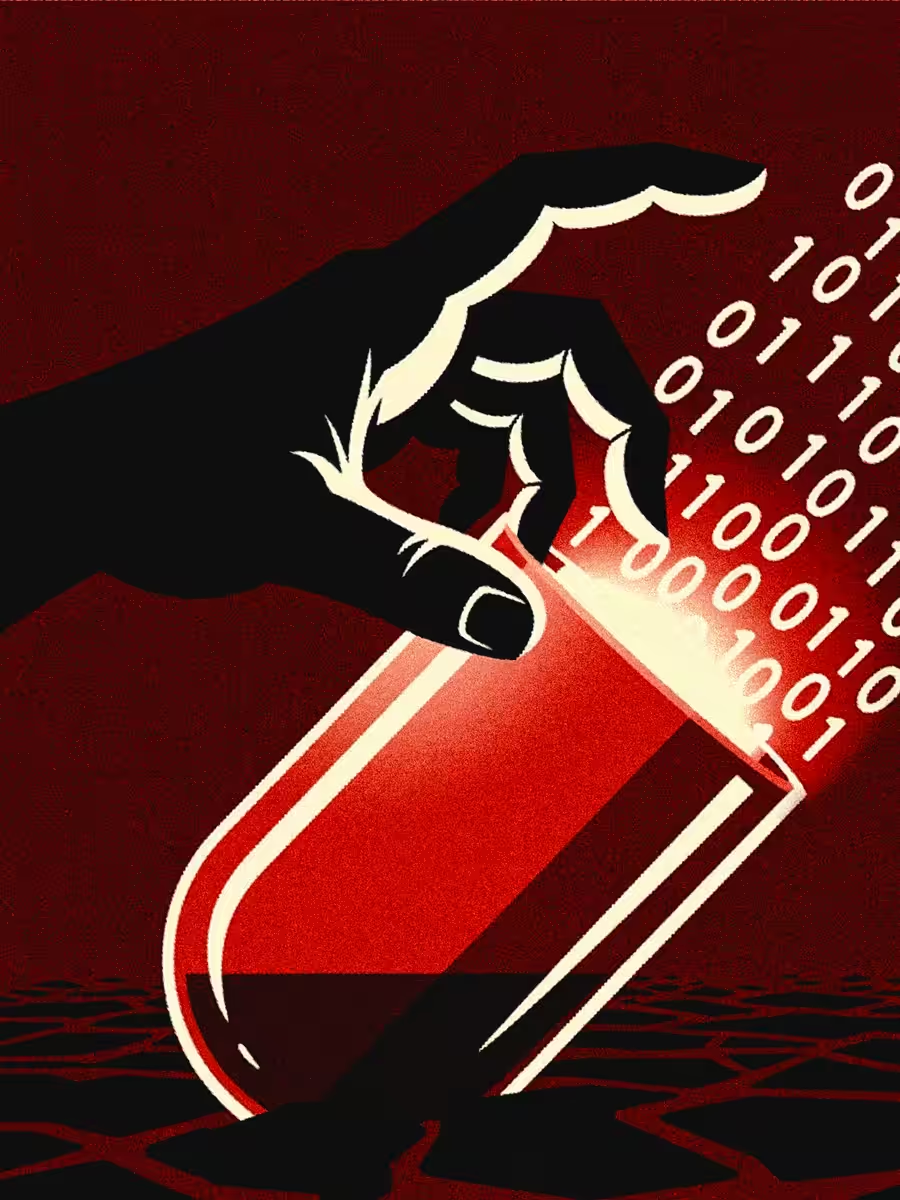
Today the data capsule is our pithos.
We are Pandora. Every click, every upgrade, every time we “open” an algorithm, a neural net, a metaverse — we release new ills: digital loneliness, distorted time, the anxiety of comparison, addiction to attention. Bits of light are not only knowledge. They are virus and ad, surveillance and beauty, connection — all at once.
But at the bottom remains Elpis.
“Hope remains” is not optimism. It is a choice.
Hope in Pandora’s jar is not consolation. It asks: was it left to us as a final good — or as a final punishment, so that, exhausted, we keep waiting instead of acting?
In a digital reading the answer shifts: hope is code not yet compiled. It is the space between bits where the new is born. Not an illusion of salvation from above — but a stubborn continuation, in spite of everything we’ve released.