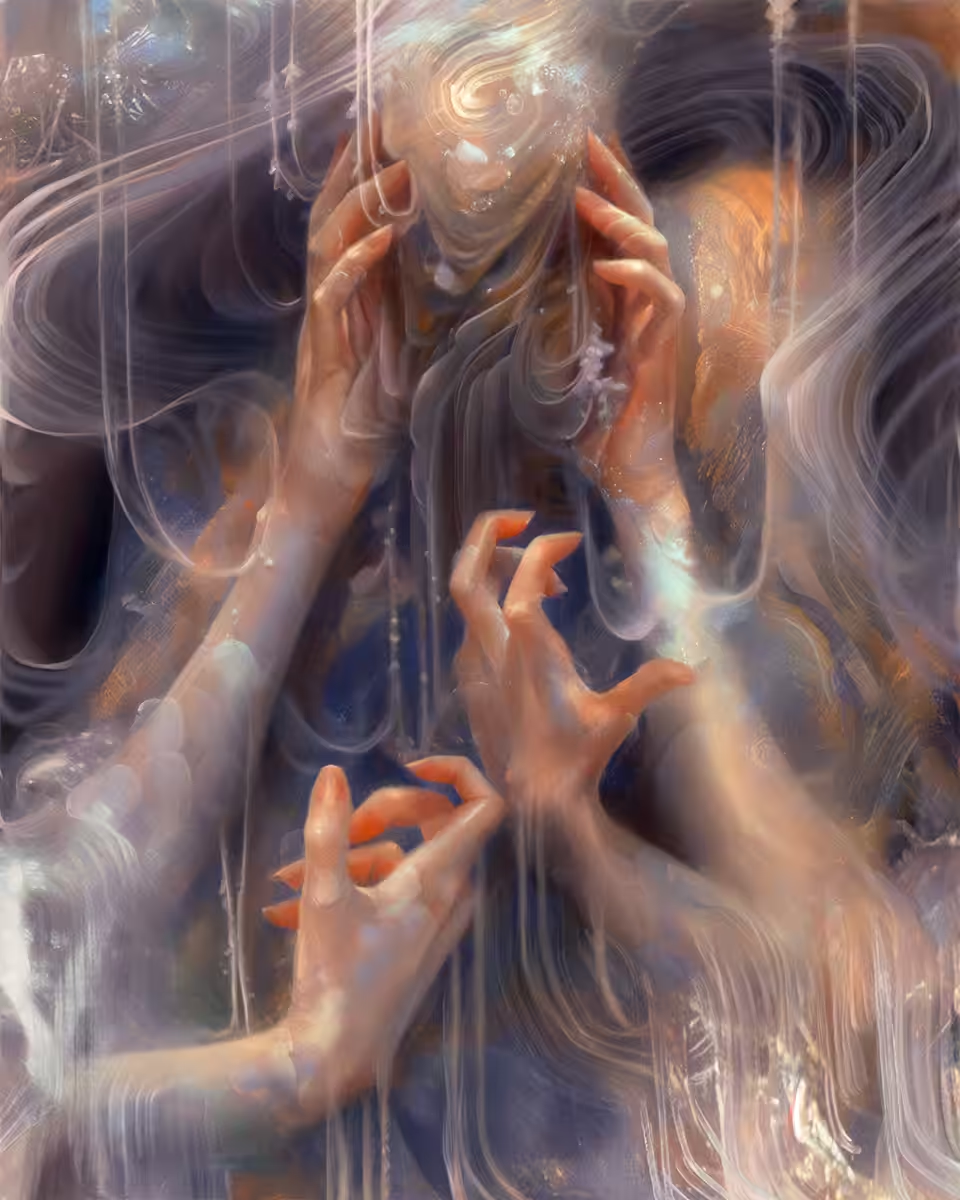
Hypocrite
Where does the artist end, and the tool begin?
A question that sails around constantly but rarely discussed: what defines creativity, originality, and the artist's role in the creating art. Is AI-art about creation or curation? Through this artwork, I aim to lift these questions and bring them up for open discussion.
The journey of this piece began with traditional art methods, creating sketches and textures with acrylics and watercolor pencils. These were then digitized, marking the first step toward a transformative collaboration. The digitized pieces, blended with digital painting and photographic textures, set the ground for the next step: integration with AI.
The work was taught into a custom AI Checkpoint model and Lora, then using Diffusion to re-create the original artwork as closely as can through AI. This raises a critical question: Is this now considered AI art? The artwork, initially crafted through non-AI means, was later used and reimagined through AI. This process mirrors how many AI artworks are created, utilizing existing art as a foundation for AI interpretation.
This piece challenges the conventional definitions of AI art. If reproducing an original artwork using AI causes us to question the validity of AI, then we must reconsider the broader landscape of AI artworks, many of which are based on the replication and transformation of existing pieces.
What remains if we strip away traditional art from AI models? Are we merely echoing each other's creations, both digitally and traditionally? This artwork invites viewers to contemplate these questions, examining the interplay between human creativity and AI technology.
In the end, the decision lies in how we choose to use these tools. We determine the nature of our creations, navigating the intersection of traditional art and AI innovation. This artwork is not just a product of technology; it's a statement on the evolving nature of art, questioning our perceptions and challenging us to think more deeply about the role of AI in creative expression.