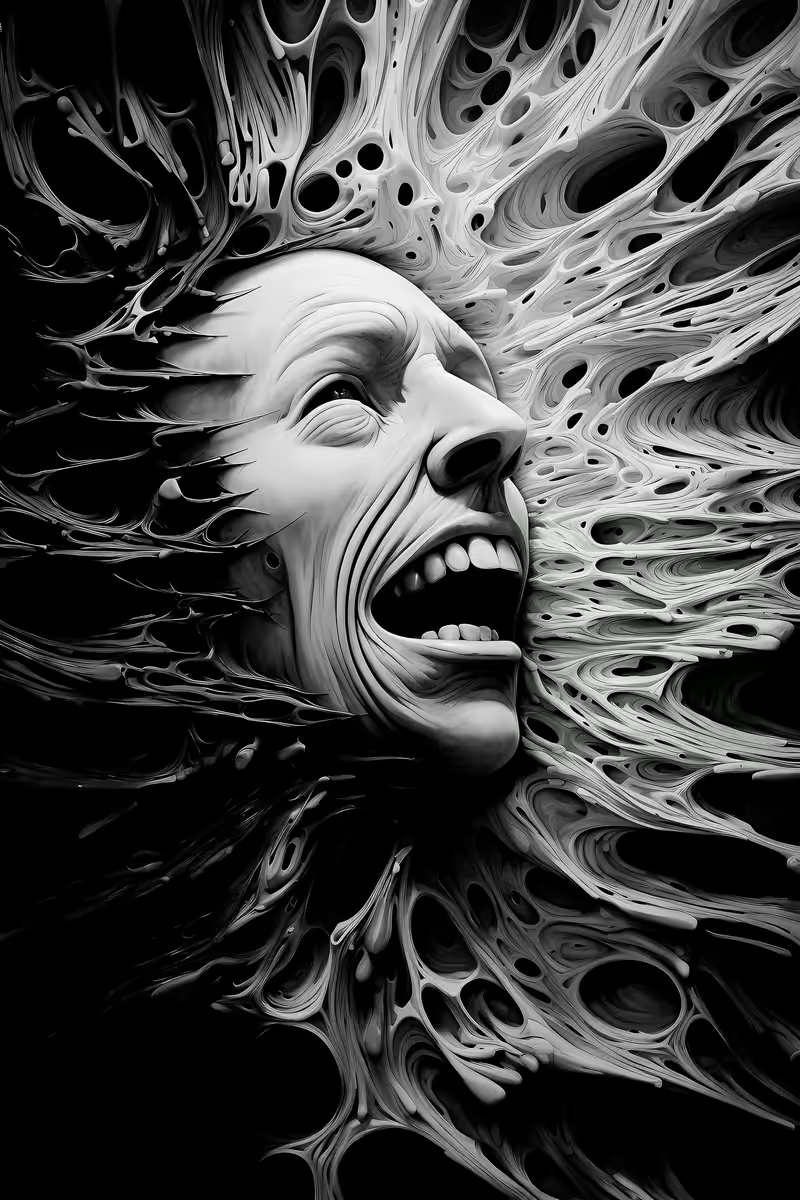
Dark side of my mind: Blacks and whites of bipolar disorder.
"Blacks and whites of bipolar disorder" refers to the stark and contrasting aspects that often define this complex mental health condition. Bipolar disorder is characterized by extreme mood swings, and these emotional shifts are often described in terms of "blacks" representing the depressive lows and "whites" signifying the manic or hypomanic highs experienced by individuals living with the condition.
In the "blacks" of bipolar disorder, individuals grapple with the profound depths of depression. These are periods marked by overwhelming sadness, a pervasive sense of hopelessness, and a lack of energy or motivation. It's a time when life can feel colorless, where even the simplest tasks become daunting challenges. During these phases, individuals may struggle with sleep disturbances, changes in appetite, and a profound sense of isolation.
Conversely, in the "whites" of bipolar disorder, individuals experience episodes of mania or hypomania. These are characterized by elevated mood, heightened energy, and an expansive sense of self-confidence. It's as if the world is suddenly painted in vibrant colors, and individuals may exhibit impulsivity, increased activity, and a flurry of creative ideas. However, the "whites" can also be marked by recklessness, poor judgment, and the potential for risky behaviors.