Always Has Been: Chapter 1: The Apprentice's Error and the Taj Mahal
Chikai, 2026
Burnt token
Description
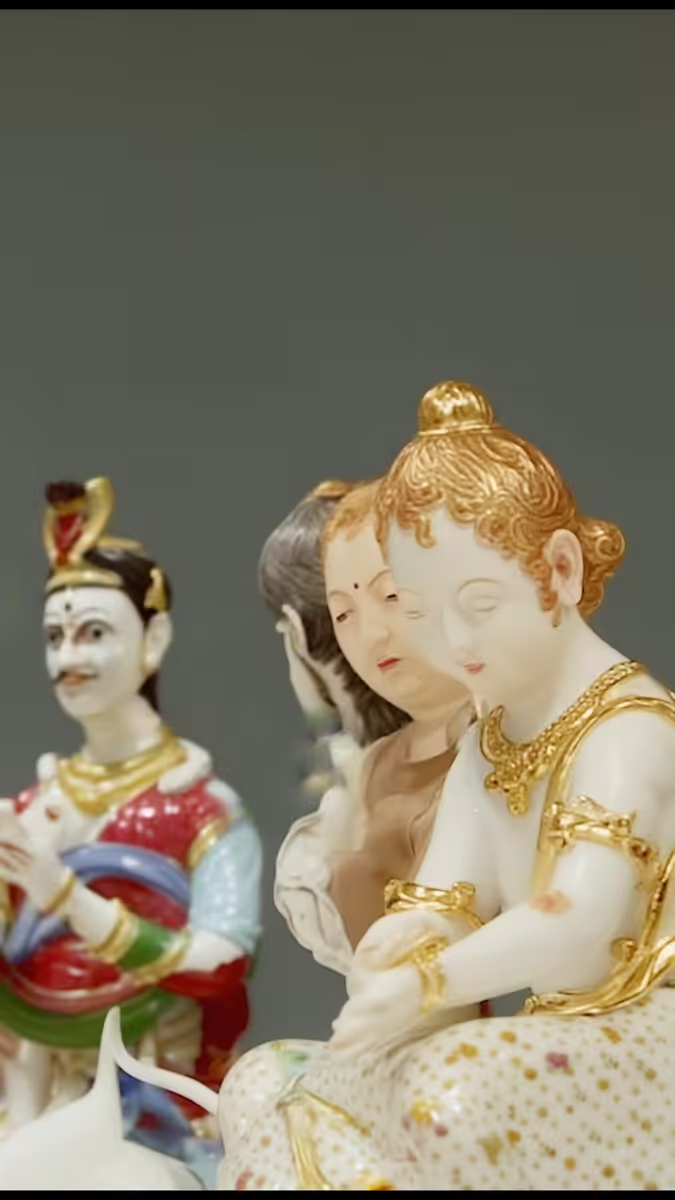
In 1631, a minor incident in Agra's marketplace had far-reaching effects on the construction of the Taj Mahal. An apprentice mistakenly sold a flawed marble piece, prompting a merchant to demand compensation. The emperor's advisor, impressed by the craftsmanship of the flawed piece, recommended the artisan involved for major projects. This led to his significant involvement in the Taj Mahal's design, illustrating how seemingly minor actions can influence monumental events.
On-chain
Market
Provenance
Collectors