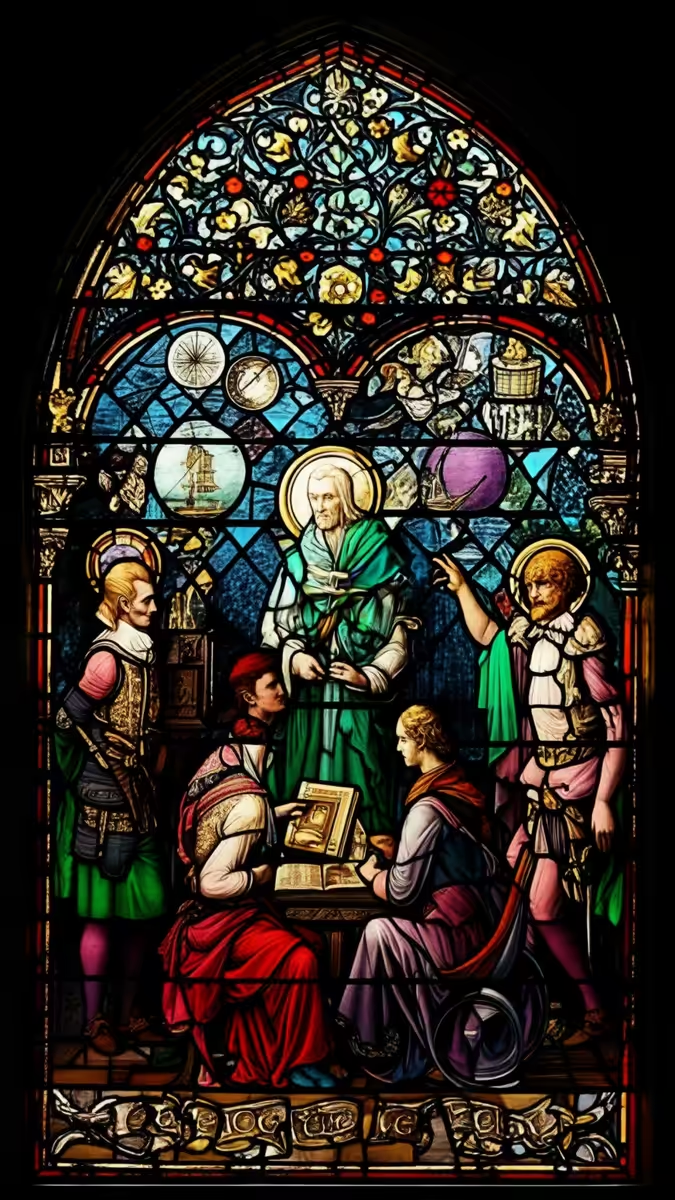
Always Has Been: Chapter 1: The Longitude Prize
Chikai, 2026
Burnt token
Description
The Longitude Prize was established by the British government in 1714 to tackle the challenge of determining a ship's longitude at sea, critical for maritime navigation. The contest invited solutions ranging from celestial navigation methods to whimsical inventions like seabirds carrying timekeepers. John Harrison's innovation, the marine chronometer, ultimately provided a practical solution. His invention allowed sailors to calculate their longitude accurately, revolutionizing sea travel and bolstering maritime trade through safer voyages.
On-chain
Market
Provenance
Collectors