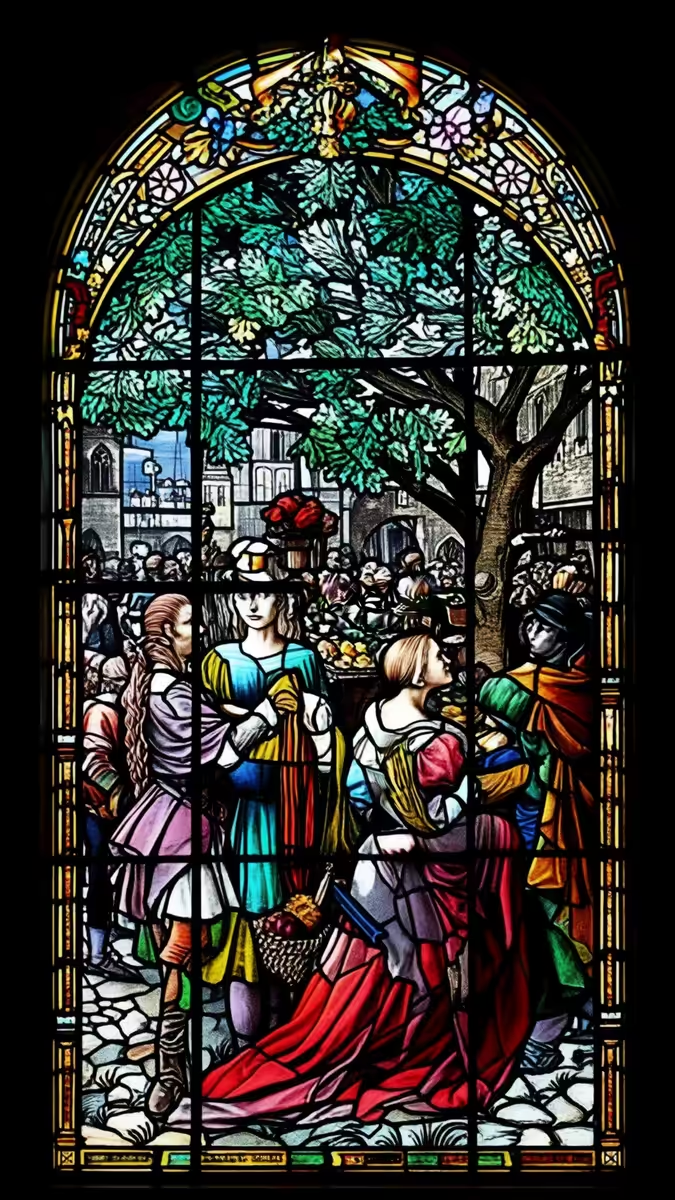
Always Has Been: Chapter 1: The 1623 Dyeing Revolution in Europe
Chikai, 2026
Owned by0xef8e…cecf
Description
In 1623, a significant advancement in cloth dyeing technology emerged in Europe, revolutionizing the textile industry. This new method employed synthesized dyes, which offered vibrant colors at reduced costs. Initially celebrated as a major innovation, it posed challenges for local dye artisans and natural dye producers, whose traditional products lost demand. This led to a cultural shift, as vibrant, inexpensive fabrics became common, reducing the prestige of naturally dyed textiles.
On-chain
Market
Provenance