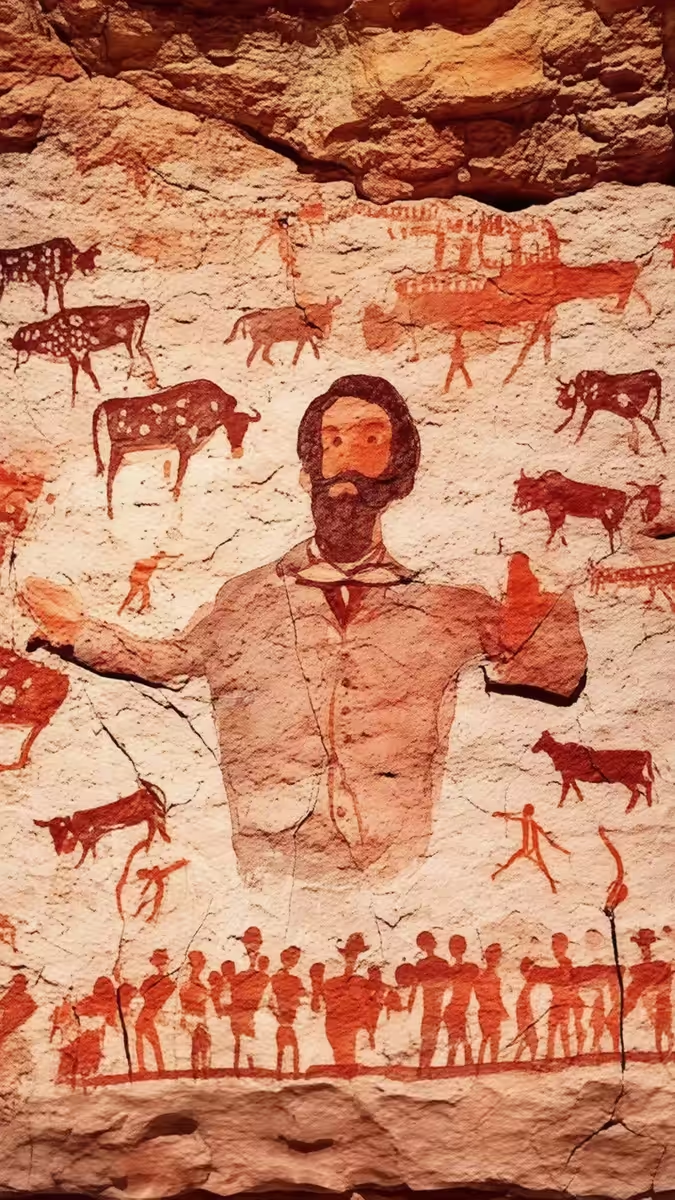
Always Has Been: Chapter 1: John Gorrie's Mechanical Ice-Making Machine
Chikai, 2026
Burnt token
Description
In 1851, John Gorrie introduced the mechanical ice-making machine, revolutionizing the preservation and transportation of food. This invention allowed for the production of artificial ice, offering a viable alternative to natural ice. Gorrie's machine enabled longer storage and shipment distances for perishable goods, significantly impacting public health and economic growth. By reducing food spoilage and expanding trade opportunities, it marked a pivotal advancement in technology and commerce.
On-chain
Market
Provenance
Collectors