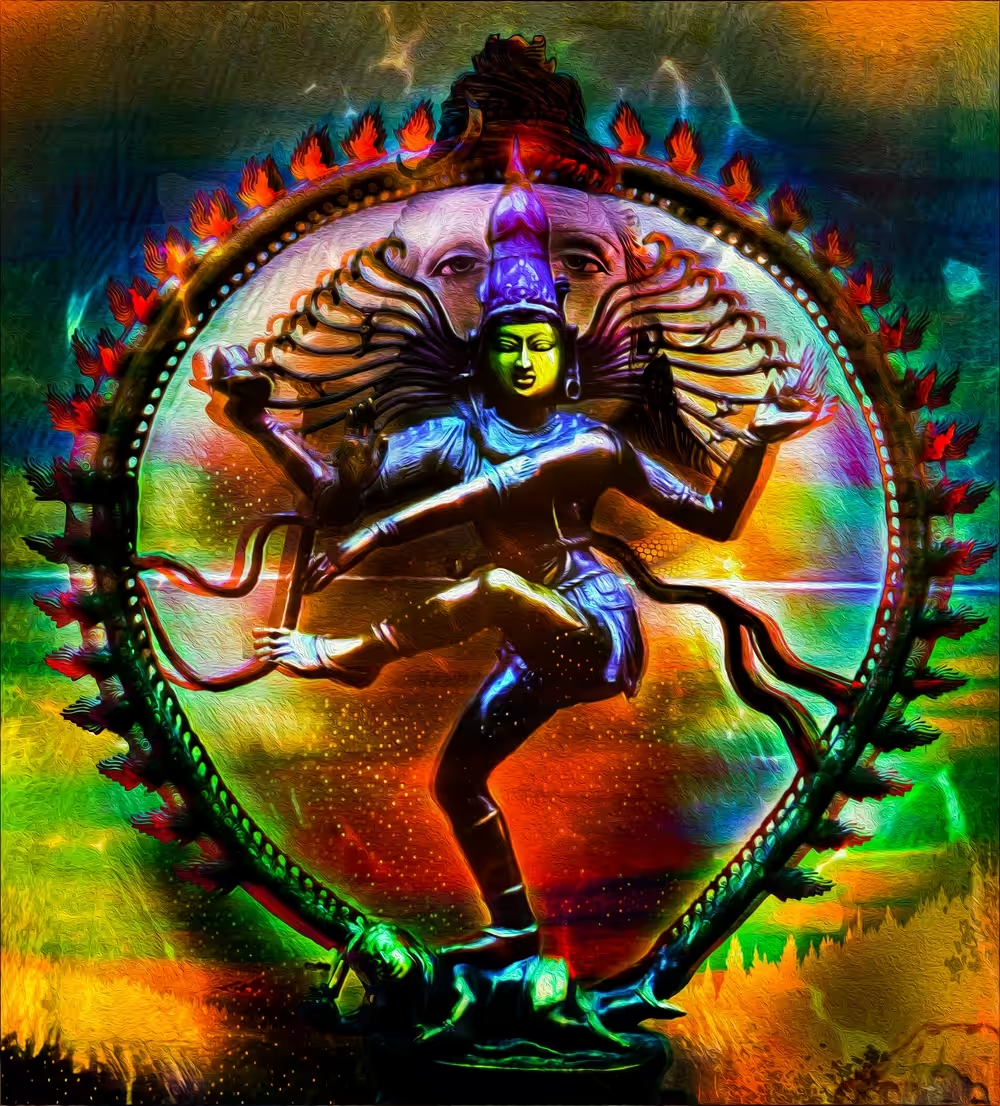
Nataraj
Depiction of the Hindu God Shiva as the divine cosmic dancer. His dance is called Tandavam or Nadanta, depending on the context of the dance. The pose and artwork are described in many Hindu texts such as the Anshumadbhed agama and Uttarakamika agama, the dance relief or idol featured in all major Hindu temples of Shaivism. The Agamas are a collection of several Tantric literature and scriptures of Hindu schools. The term literally means tradition or "that which has come down", and the Agama texts describe cosmology, epistemology, philosophical doctrines, precepts on meditation and practices, four kinds of yoga, mantras, temple construction, deity worship, and ways to attain sixfold desires. The two most common forms of Shiva's dance are the Lasya (the gentle form of dance), associated with the creation of the world, and the Tandava (the vigorous form of dance), associated with the destruction of weary worldviews—weary perspectives and lifestyles. In essence, the Lasya and the Tandava are just two aspects of Shiva’s nature; for he destroys in order to create, tearing down to build again.