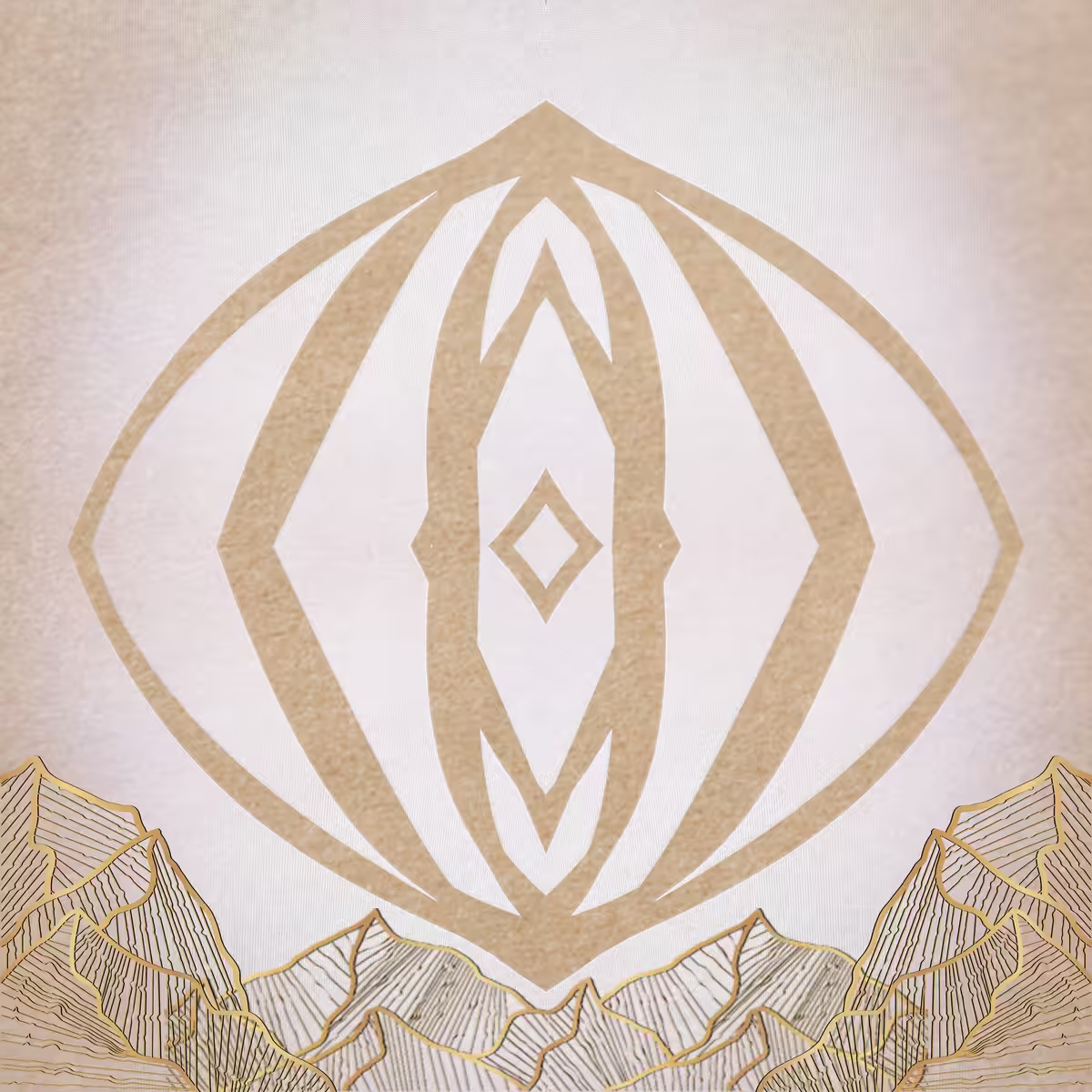
Wabi-Sabi
Wabi-Sabi is not so much a concept as it is the profound Japanese cultural understanding of an ineffable aesthetic grounded in the beauty of that which is natural, imperfect and transient.
I lived in Tokyo for three years and the experience was a rite of passage. Ironically, it was as a foreigner with a fancy job and too many Hermès handbags that I found the space to question the imprint of my own western socio-cultural conditioning.
Myriad books have been written about the merits and the alleged secrets of wabi-sabi. Efforts to capture its essence are laudable, yet futile. Wabi-sabi is elusive and it is experienced rather than studied. It has to do with the raw beauty of the natural world, the intuitive rather than the rational and a genuine appreciation for the passage of time, which may show up in the form of a patina perhaps, or something tarnished or fragmented...
I wrote about the art of kintsugi not long ago and this art of repairing broken pottery can serve as a useful metaphor for wabi-sabi, which is at once vast and refined enough to contain opposites: the fragmented pieces and the whole. Wabi-sabi addresses both the metaphysical and the worldly, the self and the collective, space and time, etc.
This piece is minted in 15 editions on the Tezos blockchain. Interestingly, the wisdom of wabi-sabi informs us that nothing is immutable or everlasting. And if you, gentle reader, wish to disagree with wabi-sabi, that is your prerogative. Wabi-sabi has nothing to prove and it is at ease with ambiguity and uncertainty, be it our own discomfort with the unknown or the mystery of existence itself.
At its core, wabi-sabi is beauty stripped bare of any remnants of materialism. Wabi-sabi is the beauty you embody when you show up fully, as you are, like a sakura blossom in the spring or a fading momiji leaf in the autumn, knowing deep in your cells that to everything, there is a season.