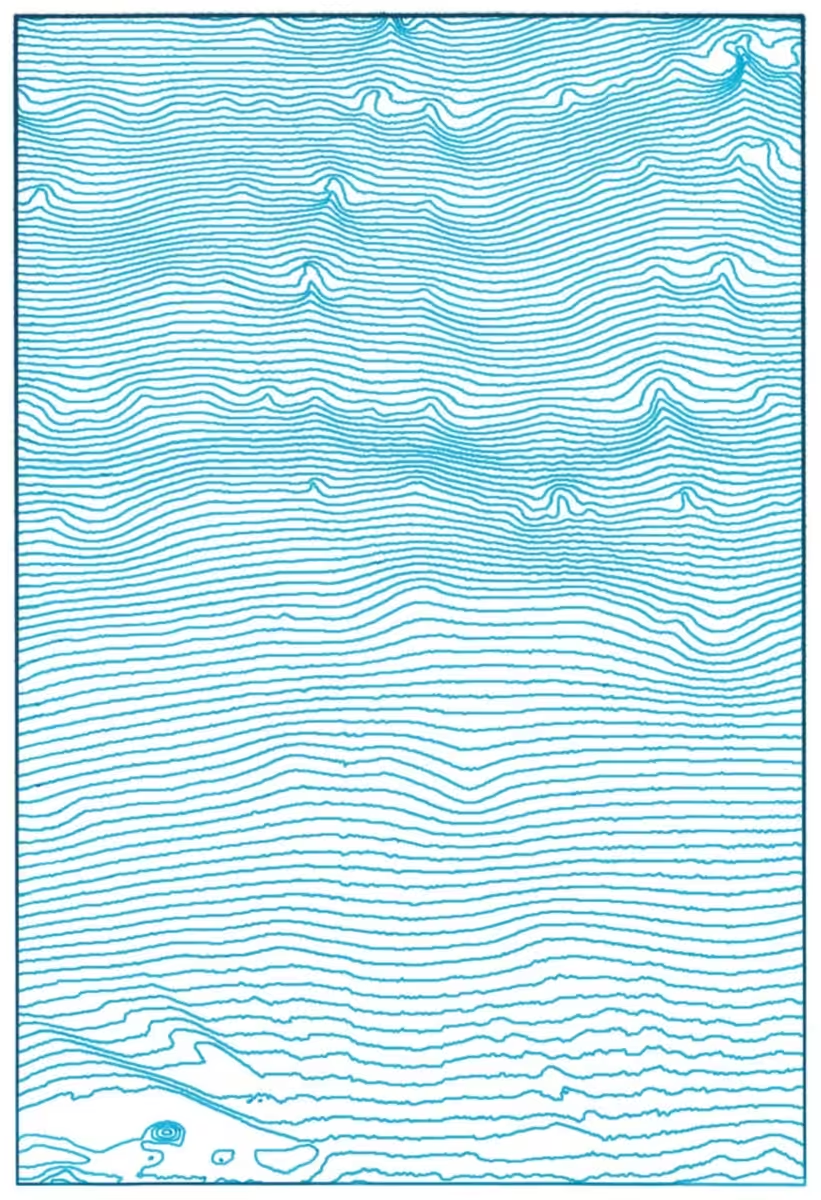
Trinity
Trinity was the first-ever nuclear weapons test. It was conducted by the United States 80 years ago on 16 July 1945 at the White Sands Proving Ground in New Mexico. A plutonium implosion device with an estimated yield of 25 kilotons was detonated atop a 30-meter steel tower, generating an intense shockwave and fireball visible for over 300 kilometers. . The explosion vaporised the tower and fused the desert sand into trinitite glass, depositing radioactive soil and debris, including up to 80% of the bomb’s unreacted plutonium, across thousands of square kilometers. The tower-based configuration allowed scientists to collect data on blast and thermal effects, to calculate the optimal airburst height for the subsequent bombings of Hiroshima and Nagasaki, in order to maximize the destruction. . Trinity marked the beginning of the nuclear age, a new era of warfare defined either by total asymmetry or mutually assured destruction, depending on the nuclear capabilities of the adversaries. Nuclear weapons continue to be developed and modernised as instruments of strategic coercion and postcolonial dominance, with no plausible military scenario for their use. . Today, these weapons of mass destruction remain central to the geopolitical balance of power, with nine states in possession of arsenals. The threat of ultimate, even suicidal, force continues to shape diplomacy, deterrence, and existential risk in the 21st century. . Trinity was made possible by physicists, many of them European émigrés, who enthusiastically applied advances in nuclear theory to weapons design. Oppenheimer led the effort; Fermi, Bethe, and Teller developed critical calculations. Szilard, who conceived the chain reaction and urged Roosevelt to pursue the bomb, later opposed its use. A few other physicists who built the bomb also became critics of nuclear proliferation after the war, only recognising post facto the dangers of their creation. Their belated reckoning was completely ignored. . . "Test Anniversary" edition issued in support of nuclear disarmament: donate to https://cnduk.org/ . The original pen plot of the topography of the region was made using Stabilo pen and AxiDraw SE/A3, on 180g Bristol paper.