Styx
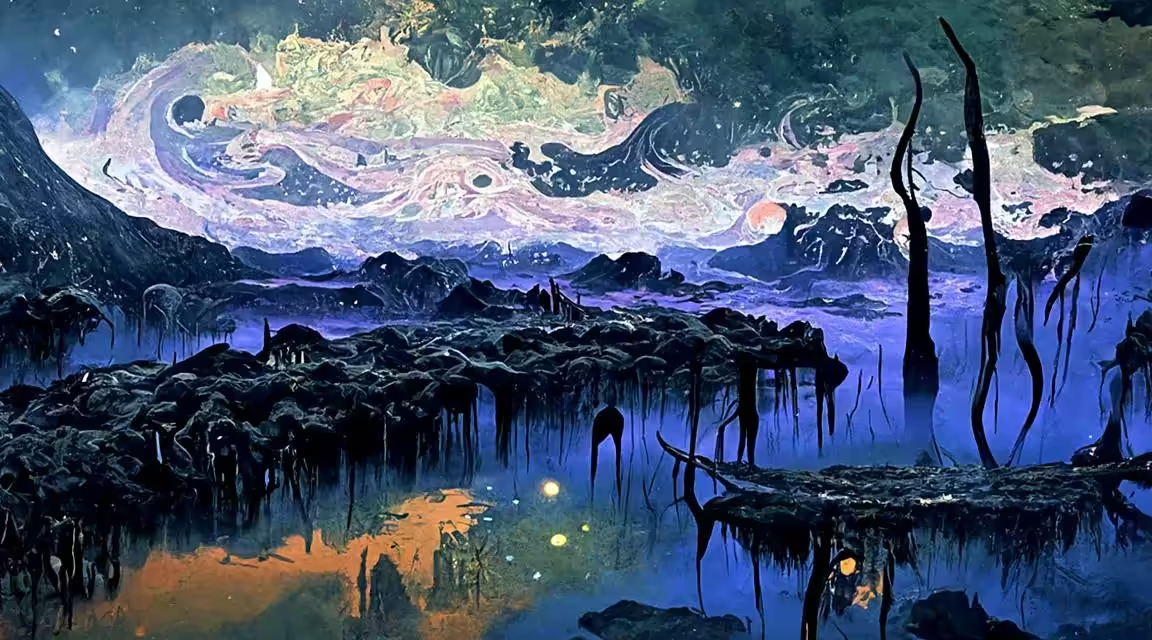
In Greek mythology, Styx (/ˈstɪks/; Ancient Greek: Στύξ [stýks]) is a deity and a river that forms the boundary between Earth (Gaia) and the Underworld. The rivers Acheron, Cocytus, Lethe, Phlegethon, and Styx all converge at the centre of the underworld on a great marsh, which sometimes is also called the Styx. According to Herodotus, the river Styx originates near Pheneus. Styx is also a goddess with prehistoric roots in Greek mythology as a daughter of Tethys, after whom the river is named and because of whom it had miraculous powers. Also , Styx was the name of an Oceanid nymph, one of the three thousand daughters of the Titans Oceanus and his sister-wife Tethys, and the goddess of the River Styx. Others make her one of the progenies of the primordial gods, Nyx (Night) and Erebus (Darkness). In classical myths, Styx's husband was Pallas and she gave birth to Zelus, Nike, Kratos, and Bia (and sometimes Eos). Another source, adds Scylla, the Fontes (Fountains), and the Lacus (Lakes) as their children. Styx also mothered Echidna by Peiras and even Persephone by Zeus in one account. In these myths, Styx supported Zeus in the Titanomachy, where she was said to be the first to rush to his aid. For this reason, her name was given the honour of being a binding oath for the deities. Knowledge of whether this was the original reason for the tradition did not survive into historical records following the religious transition that led to the pantheon of the classical era.