I began this work as a formal generative music exercise, getting to grips with a focal point in Western tonal harmony: triadic chords swinging between a tonic, a perfect fifth above it, and a perfect fifth below it - perfect and ping pong cadences.
I then set an infinite sequence of progressions of these chords in motion, with simple algorithmic voice leading, and instrumented with a granular vocal processor and clusters of sine waves generously spread out in phase and space.
This provided an ever changing yet reassuringly stable foundation for the experience, whose nature was gradually becoming clear. This was to be a kind of therapeutic device, acting as an antidote for doomscrolling. What if, instead of endlessly scrolling social media feeds as a puppet being emotionally jerked around by their algorithms, you could directly mainline the emotional valence of those feeds? With a device purposely designed for reflecting on the nature of various mental states?
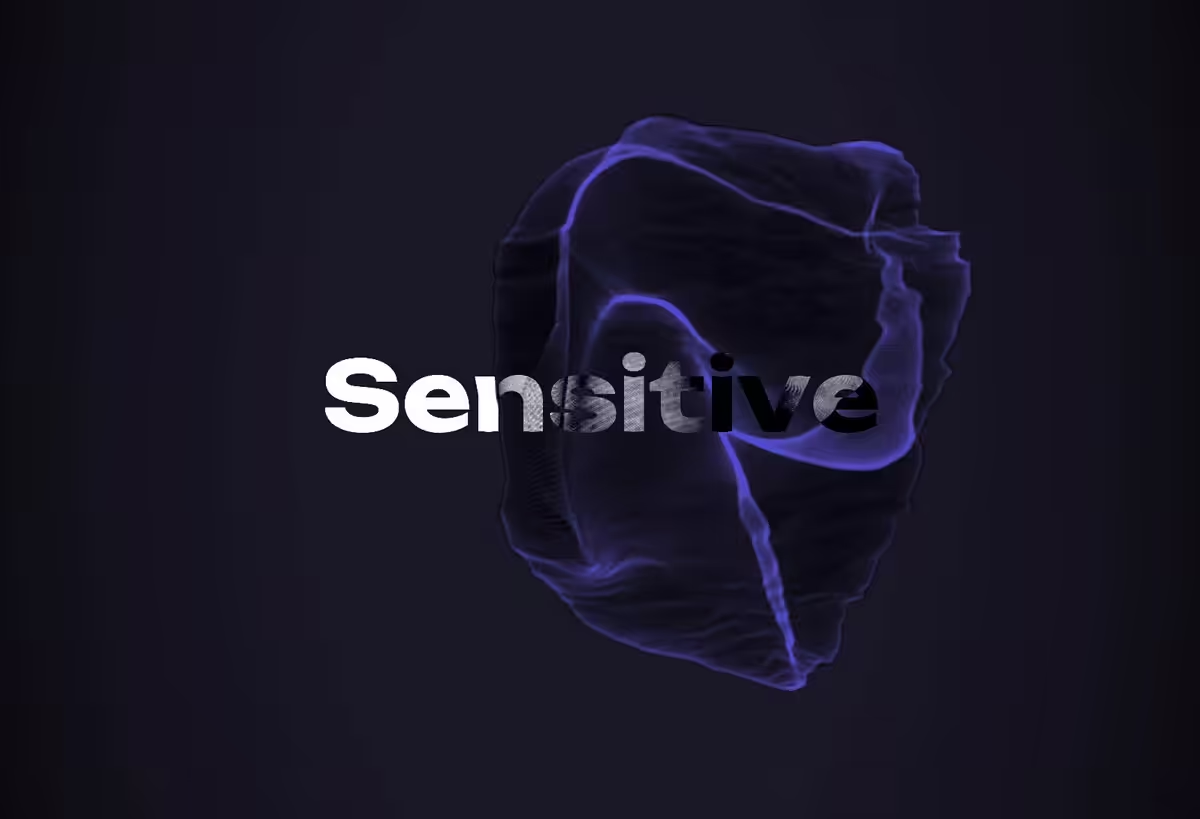
Over a span of a couple of months, as I was having long walks, reading books, listening to talks and podcasts, I collated a list of a few hundred of emotional states worth reflecting upon. I then used that list to construct GPT-3 prompts, and used them to yield a few hundred further emotional states, extending beyond what I was capable of thinking up on my own accord. This space of emotional states if what you scroll through as you interact with the piece. As you do, I invite you to reflect upon them: What are they? How do they come about? When have you experienced them? Can you purposefully manufacture them in your consciousness?
These kinds of states of being, potent as they often are, are in the end nothing but a fleeting symbolic overlay that we attach on top of our emotional experience, which is much more intricate and rich than the symbols we use to describe it. These symbols come and go, each is soon forgotten, and what remains is the flux of consciousness, constant but always changing. This is the story the work is trying to tell.