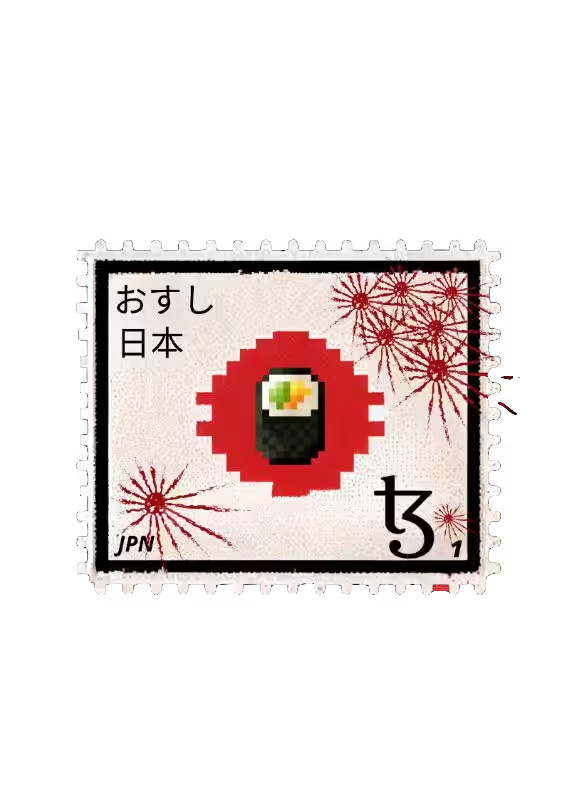
Osushi
Sushi is a traditional Japanese dish that has gained worldwide popularity and is an essential part of Japanese culture and identity. Its origins can be traced back to Southeast Asia, where people preserved fish by fermenting it with rice, and this technique was later introduced to Japan and became popular in the 17th century. During the Edo period, sushi became a popular fast food in Japan, and the first sushi restaurants appeared.
Today, sushi is considered a symbol of Japan's cultural heritage and culinary excellence, and it plays an important role in social customs and etiquette, as well as the Japanese economy, with many sushi restaurants and food companies gaining worldwide recognition.
The art of making sushi has been passed down through generations, and many sushi chefs undergo years of rigorous training to master the craft. Sharing sushi with others is a common way of showing hospitality and respect, and sushi meals are often enjoyed in a communal setting with friends, family, or business associates. Sushi is a testament to the rich culinary traditions and cultural heritage of Japan, and its popularity has led to the growth of the Japanese food industry, making it a major export and tourism driver.