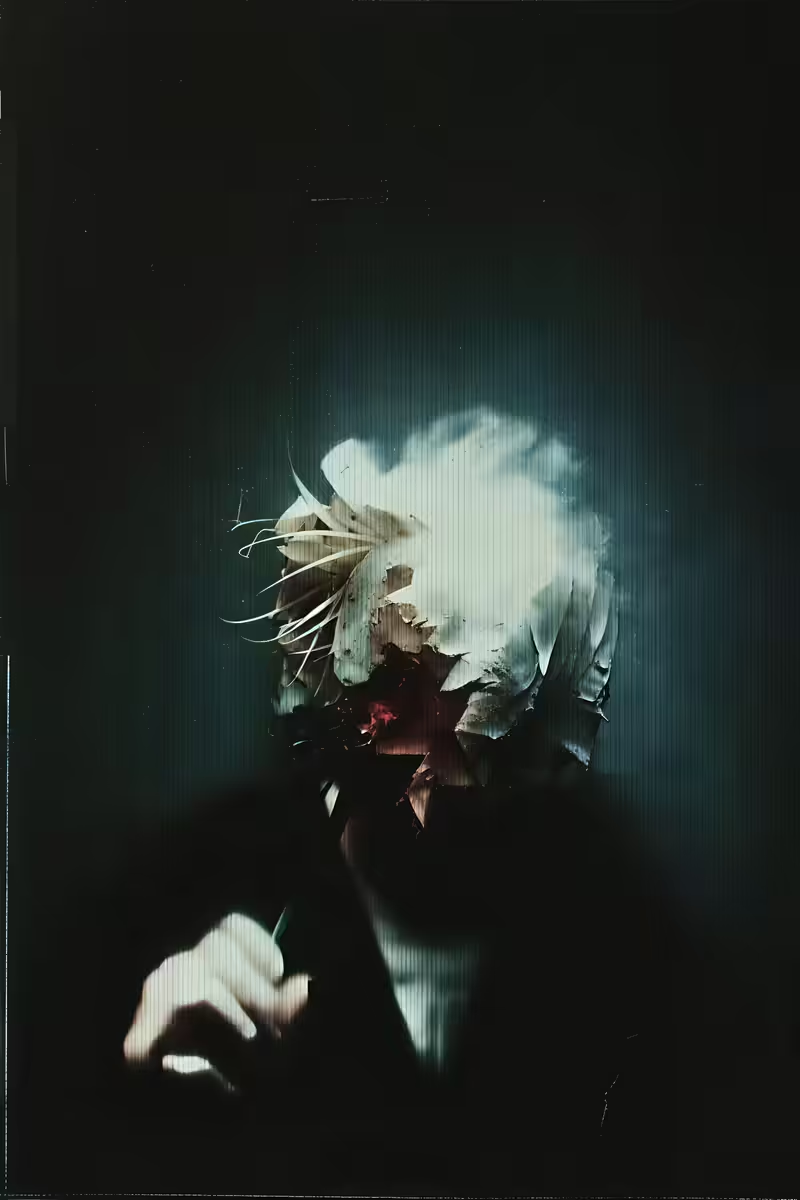
Oblation
I have been thinking about the difference between losing something and placing it on the table yourself. The difference is not in what is gone. The difference is in the hand. Whether the hand was at the side when the thing departed or whether the hand was the mechanism of departure. Whether the hand lifted the thing from where it rested and carried it forward to the place where offerings go and set it down with the specific deliberateness of someone who understands that what is placed on the altar does not come back.
The oblation is not the transformation. This is the distinction I keep losing and recovering. The oblation is the act before the transformation, the moment when the thing offered is still the thing it was, still bread, still wine, still a face that belongs to the one who is offering it. The transformation happens later, after the offering has been accepted, after the table has done whatever the table does. But the offering is the harder act. The offering is the moment when the hand says I am giving this voluntarily and the voluntariness is the entire content of the gesture.
I do not know what the altar does with a face. I know what the altar does with bread, which is to change it into something the bread was not, and the change is irreversible, and the bread does not return to being bread, and no one mourns the bread because the bread was the lesser thing. The face is also the lesser thing. I did not expect to arrive at this sentence but the logic of oblation demands it. If the offering is genuine, then what was offered was not the most valuable thing but the thing whose loss makes the more valuable thing visible. The face was concealing something. The face was the bread. What the bread becomes after the altar receives it is not the business of the one who brought it. The one who brought it has already turned around. The one who brought it is already walking back to the seat with empty hands and a changed center of gravity.
The hand remembers the weight. The hand always remembers the weight of the thing it carried to the table. This is the residue of oblation, the phantom heft in the fingers after the fingers have released, the body's memory of what it cost to open at the precise moment when the instinct was to close.