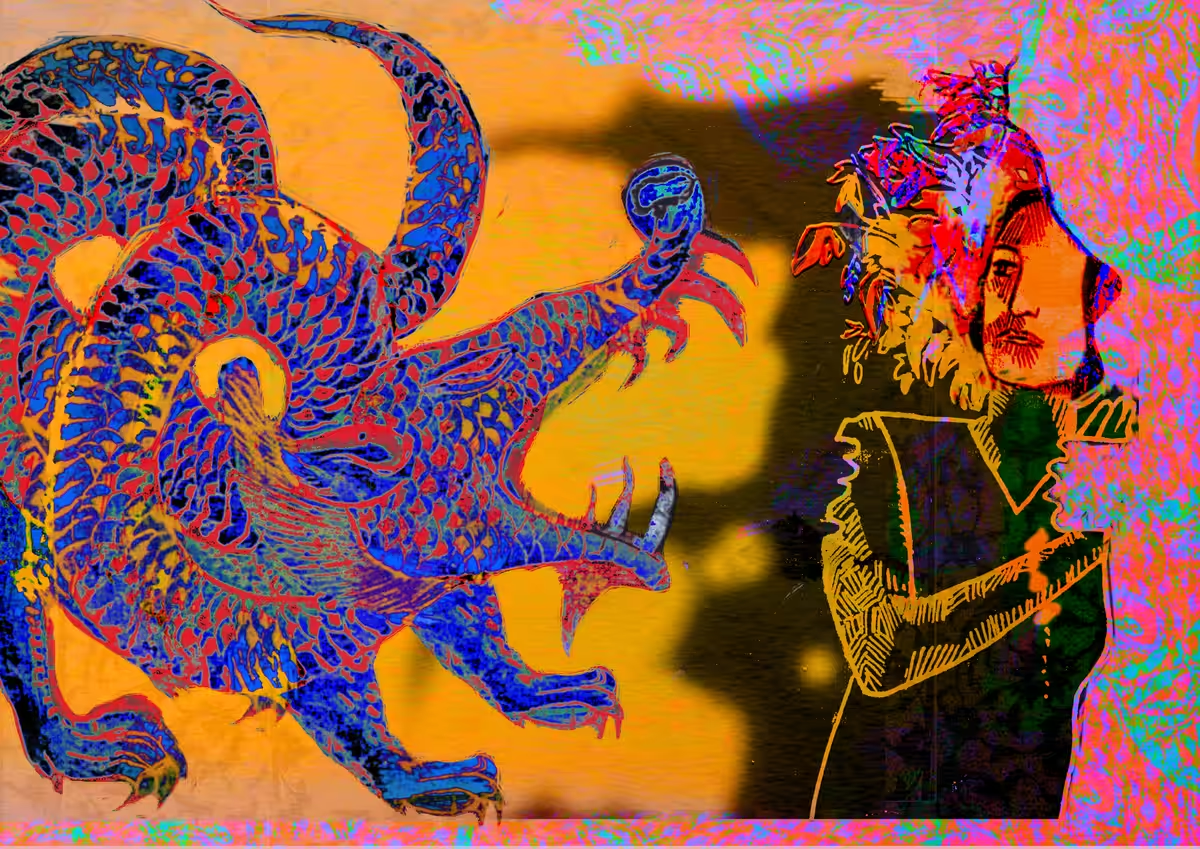
medea
From the collection : “Inside: Dark sides”
Medea: You ... you, utterly vile ... this is the worst charge I have to say against your total lack of manliness. You have come to me, you who are most hateful [to the gods and to me and to the whole human race]?[23] This is not daring; this is not courage, to abuse your loved ones and look them in the face, this is the most virulent of all human sicknesses, shamelessness. Still, you have done me a favor in coming. I will lighten my grief by reviling you and you will feel the sting in hearing it. I will begin at the beginning. I saved your skin, as all the Greeks know who boarded the Argo with you, when you were sent to master the fire-breathing bulls with yokes and to sow the deadly field; and the dragon which guarded the golden fleece and, never sleeping, protected it with its many coils, I killed it and held up the light of safety for you. As for me, after betraying my father and my home I came to lolcus near Pelion with you, eager but not prudent. Then I killed Pelias, in the way that he would die most tragically at the hands of his own children and I confounded their entire house. And you, after receiving this from me, you, the vilest man alive, you have betrayed me, and you have made a new marriage, though you already have children. If you were still childless you could be excused for craving another marriage bed. Gone is the faith of oaths. I cannot understand whether you believe the old gods are no longer in power or that new covenants are established for men today, since you must know that you have not kept your oath to me. Feu [Ah] right hand, how fervently you were taken and these knees, how futilely I was clung to in supplication by an evil man. But I have lost my hopes. Listen. I will share with you as if you were a friend. And what will I get out of it? Still ... under questioning you will appear more shameless. Now where will I turn? To my father's house which I betrayed for you along with my native land, when I came here? Or to the unhappy daughters of Pelias? They would be delighted to take me in. I murdered their father. This is how it is. I have made myself an enemy to my loved ones at home, the very ones I should not have hurt; in helping you I have enemies. And for this you have made me an icon of Greek womanhood: I have in you a wonderful husband and faithful to me — oh, the pity of it if I must go into exile, cast out of this country without friends, a lonely mother with two lonely children, a fine reproach to the new bridegroom that your children are homeless beggars, and the woman who saved your life. Oh Zeus! Why have you given us a clear test of gold to tell which is counterfeit but of men — where to identify an evil one would be useful — there is no such mark on his body?
Euripides' Medea,(431 BC) Translated by C. A. E. Luschnig, p12