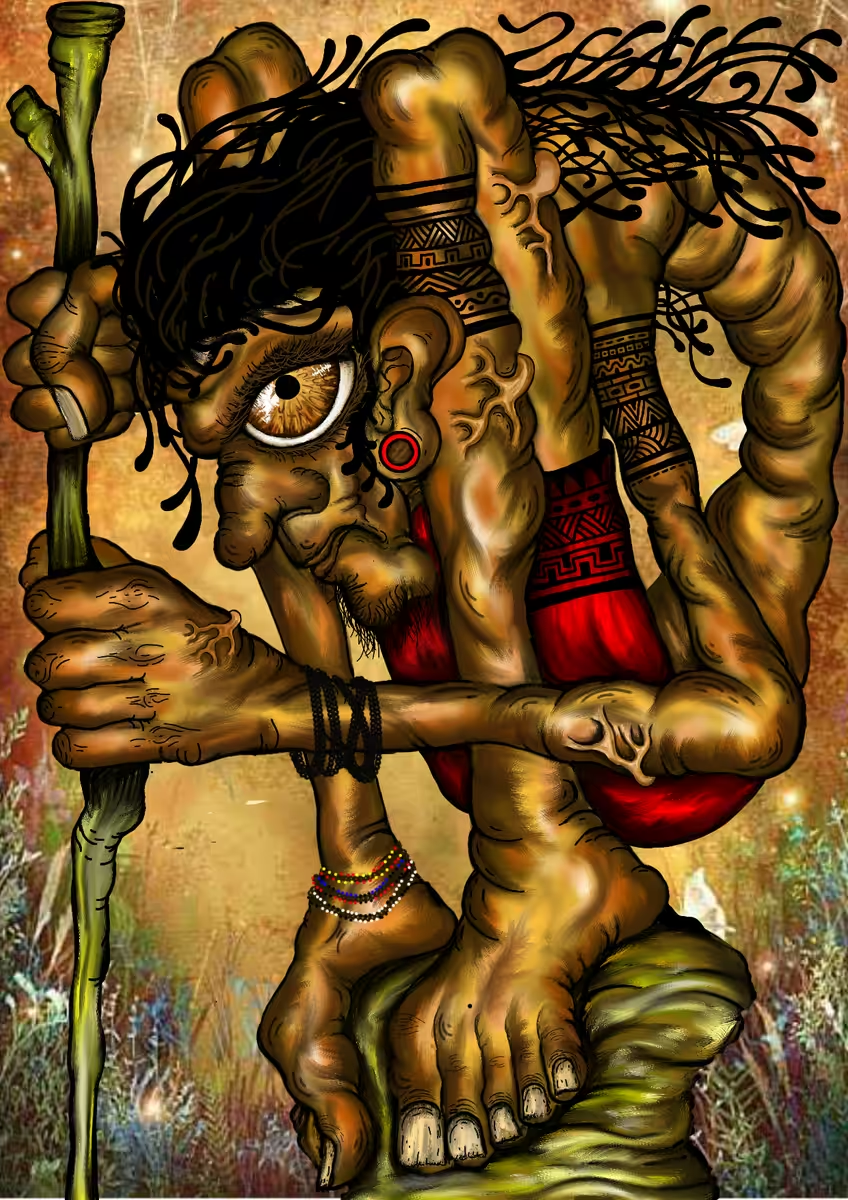
Mamuhatay
"Mamuhatay is a lumad word for Ritualist"
They are entrusted with the responsibility of preserving the customs, ceremonies, and oral histories of their people. They serve as the living repositories of cultural knowledge, ensuring that these traditions are passed down through generations.
they also serve as spiritual leaders who facilitate communication between the community and the spiritual realm. They perform ceremonies and rites to seek guidance from ancestors, deities, or spirits.
Many tribal ritualists are also healers. They use their knowledge of herbs, chants, and rituals to cure illnesses and protect the community from malevolent forces. Their healing practices often blend traditional herbal remedies with spiritual elements.
They are experts in conducting various ceremonies and rites of passage, such as birth rituals, initiation ceremonies, weddings, and funerals. These rituals mark important milestones in individuals' lives and strengthen the bonds within the community.
They are also skilled storytellers who pass on the history and mythology of their people through oral tradition. These stories provide a moral and cultural framework for the community.
They are responsible for safeguarding sacred sites and natural resources that hold spiritual significance. They ensure that these places are treated with respect and reverence.
They are recognized by distinctive clothing, jewelry, and symbols that signify their role within the tribe. These symbols often carry deep spiritual and cultural meaning.
overall, tribal ritualists are essential figures who play a crucial role in maintaining the cultural identity, spirituality, and cohesion of their communities. Their knowledge, wisdom, and dedication are vital for the preservation of these unique and ancient ways of life.