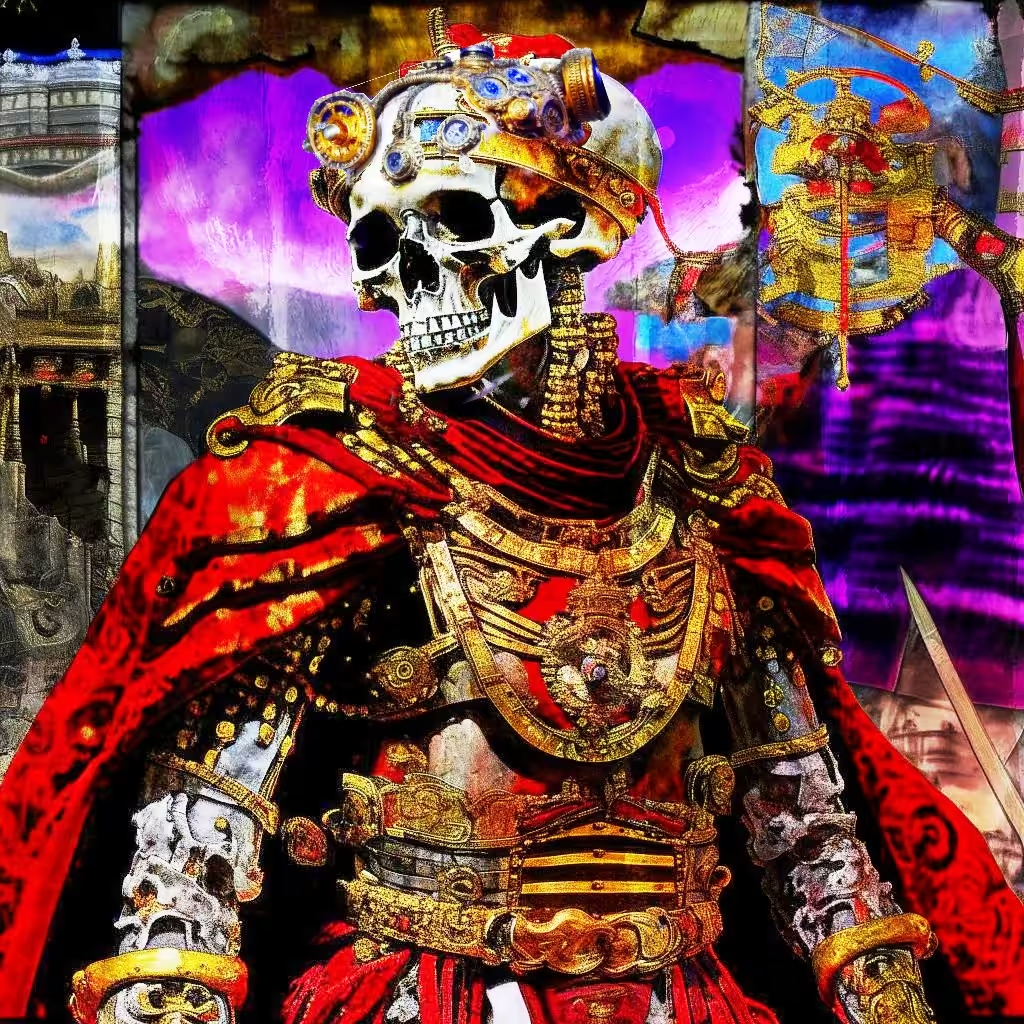
Knight
Knight - A knight is a person granted an honorary title of knighthood by a head of state (including the pope) or representative for service to the monarch, the church or the country, especially in a military capacity. Knighthood finds origins in the ancient Greek hippeis (ἱππεῖς) and Roman equites. [It was to him, at all times, that the “right of the first night” belonged ] [The practice of jus primae noctis (“right of the first night”) is, in simplest terms, the right of the local noble to deflower local peasant brides on their wedding night before their newlywed husbands. Precedence for this practice supposedly goes back for many thousands of years, with the first reference of something like it going all the way back to the Epic of Gilgamesh from over four thousand years ago.] In the Early Middle Ages in Europe, knighthood was conferred upon mounted warriors. During the High Middle Ages, knighthood was considered a class of lower nobility. By the Late Middle Ages, the rank had become associated with the ideals of chivalry, a code of conduct for the perfect courtly Christian warrior. Often, a knight was a vassal who served as an elite fighter or a bodyguard for a lord, with payment in the form of land holdings. The lords trusted the knights, who were skilled in battle on horseback. Knighthood in the Middle Ages was closely linked with horsemanship (and especially the joust) from its origins in the 12th century until its final flowering as a fashion among the high nobility in the Duchy of Burgundy in the 15th century. This linkage is reflected in the etymology of chivalry, cavalier and related terms such as the French title chevalier. In that sense, the special prestige accorded to mounted warriors in Christendom finds a parallel in the furusiyya in the Islamic world. The Crusades brought various military orders of knights to the forefront of defending Christian pilgrims traveling to the Holy Land.