Hermanubis
Hermanubis
Greco-Roman god
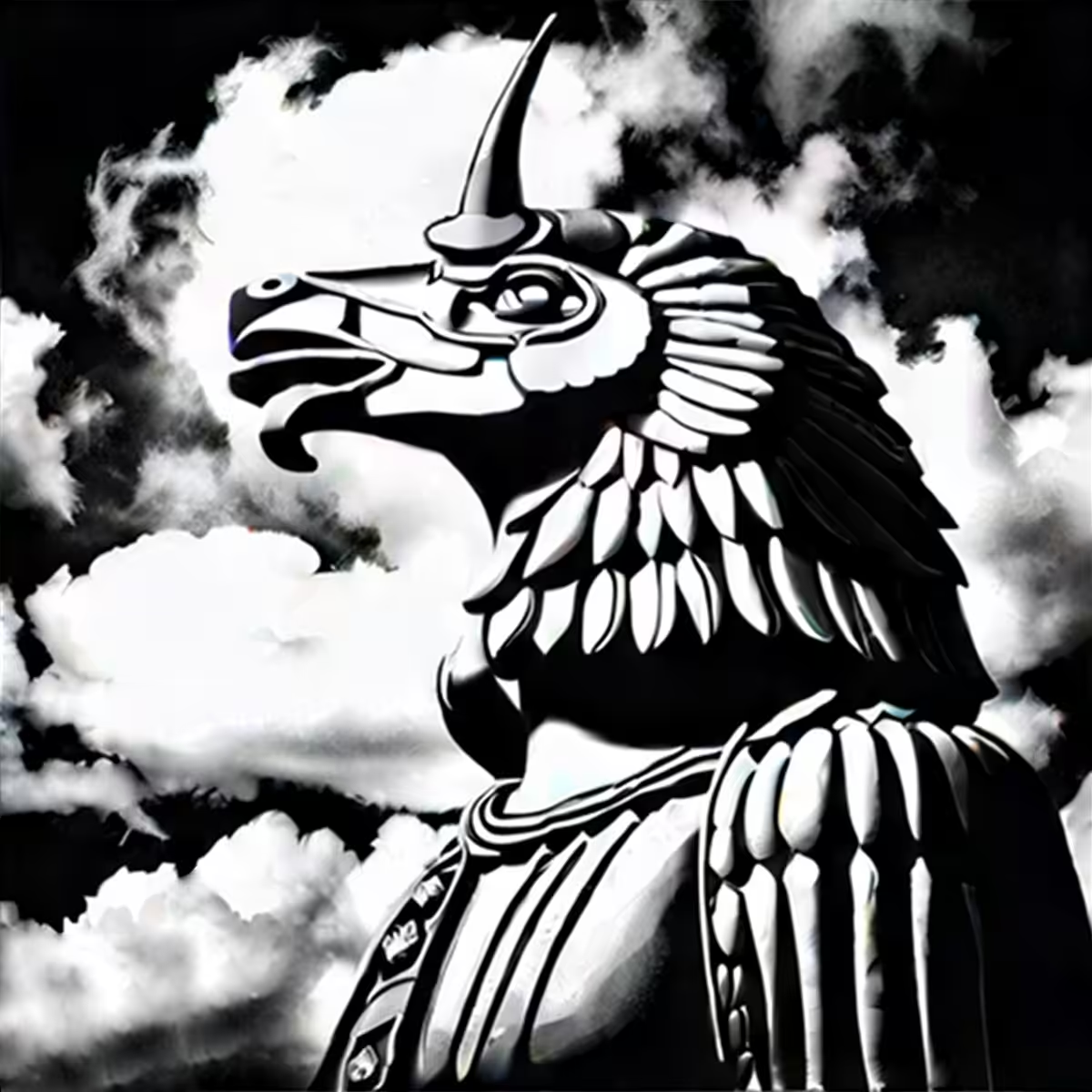
The syncretistic god Hermanubis, a combination of the Egyptian god Anubis with the Greek Hermes, is first attested from an inscription from the Serapeum on Delos from the 2nd century B.C.
The god, Hermanubis, engaged in the investigation of truth. He was popular during the period of Roman domination over Egypt.
The assimilation of Anubis with Hermes was due to their similar mythological functions of guiding the souls of the dead to the underworld.
As with other Egyptian gods such as Isis and Serapis, Hermanubis came to be worshipped in Rome and elsewhere in Italy, especially during the Imperial period.
The Emperor Marcus Aurelius commissioned a small shrine to Hermes in Rome, which was dedicated to the jackal-headed form of the god.
Coins from the period depict him standing within a shrine with a semi-circular pediment, similar in form to the Egyptian temple on the mosaic from Palestrina.