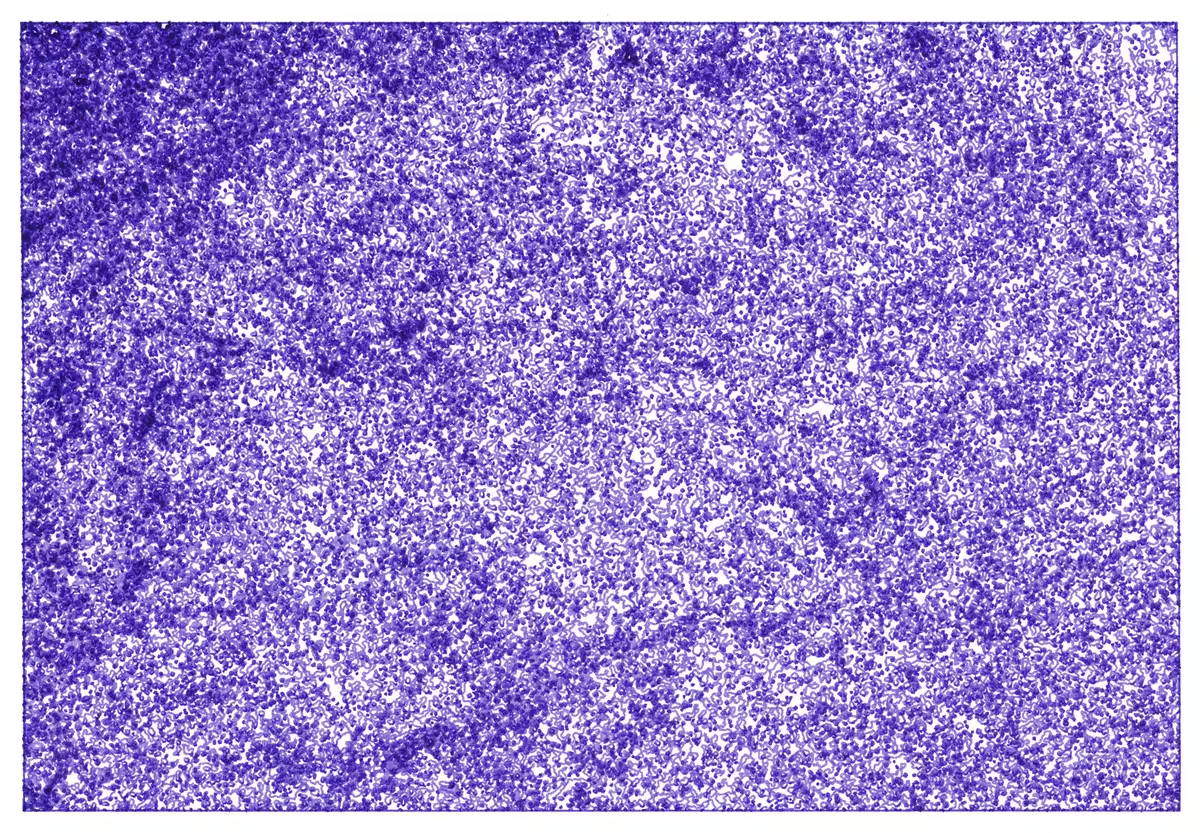
Gerboise Bleue
The first nuclear weapons test by France took place on 13th February 1960. Gerboise Bleue was detonated above ground near Reggane in the Sahara desert region of Tanezrouft, in what was then French Algeria. . The French nuclear weapons program was launched in 1954 in close collaboration with Israel, an alliance bolstered by the Suez crisis. In 1956 the French agreed to secretly build the Dimona nuclear reactor in Israel including a reprocessing plant for the extraction of plutonium. In 1958, the returning president Charles de Gaulle decided on the test of a French nuclear bomb. . It was a plutonium implosion device, similar in concept to Trinity and the first bombs tested by the USSR and the UK. But at 70 kilotons it was much bigger, larger than the first tests of the 3 other first nations combined. Israeli scientists were at that time collaborating closely with France on weapons development, and were present as observers at the French test with unlimited access to the scientific data. . The test took place in Algeria during the war of independence. Remote from mainland France and in need of a demonstration of the force of mass destruction, a site in a hostile overseas colony was ideal. Although far from Paris, the Reggane and neighbouring In Ekker test sites were anything but empty: there were local towns close by, housing thousands of – unwitting and uncared for – indigenous and nomadic people. The bomb was detonated at a dirty altitude of 100 m, resulting in widespread local contamination of hundreds of thousands of square kilometers of the Algerian Sahara, and fallout across a wide swathe of northern Africa, including Senegal, Ivory Coast, Burkina Faso and Sudan. . In 1962, with the end of the Algerian War and of 132 years of colonial occupation, the French military agreed to withdraw from the occupied country within 12 months. However, the Évian Accords granted France "the use of a number of military airfields, the terrains, sites and installations necessary to her" and France continued its nuclear testing at in Algeria until 1966. Nuclear bomb testing then moved to another unwilling colony: French Polynesia in the South Pacific, and continued until 1996. . France has carried out 210 nuclear weapons tests, and possesses an estimated 290-300 nuclear warheads. In addition to the NATO chain of command, it maintains a separate independent nuclear 'force de frappe'. . . . "Test Anniversary" edition issued in support of nuclear disarmament: donate to https://cnduk.org/ . The original pen plot of the topography of the region was made using Stabilo pen and AxiDraw SE/A3, on 180g Bristol paper.