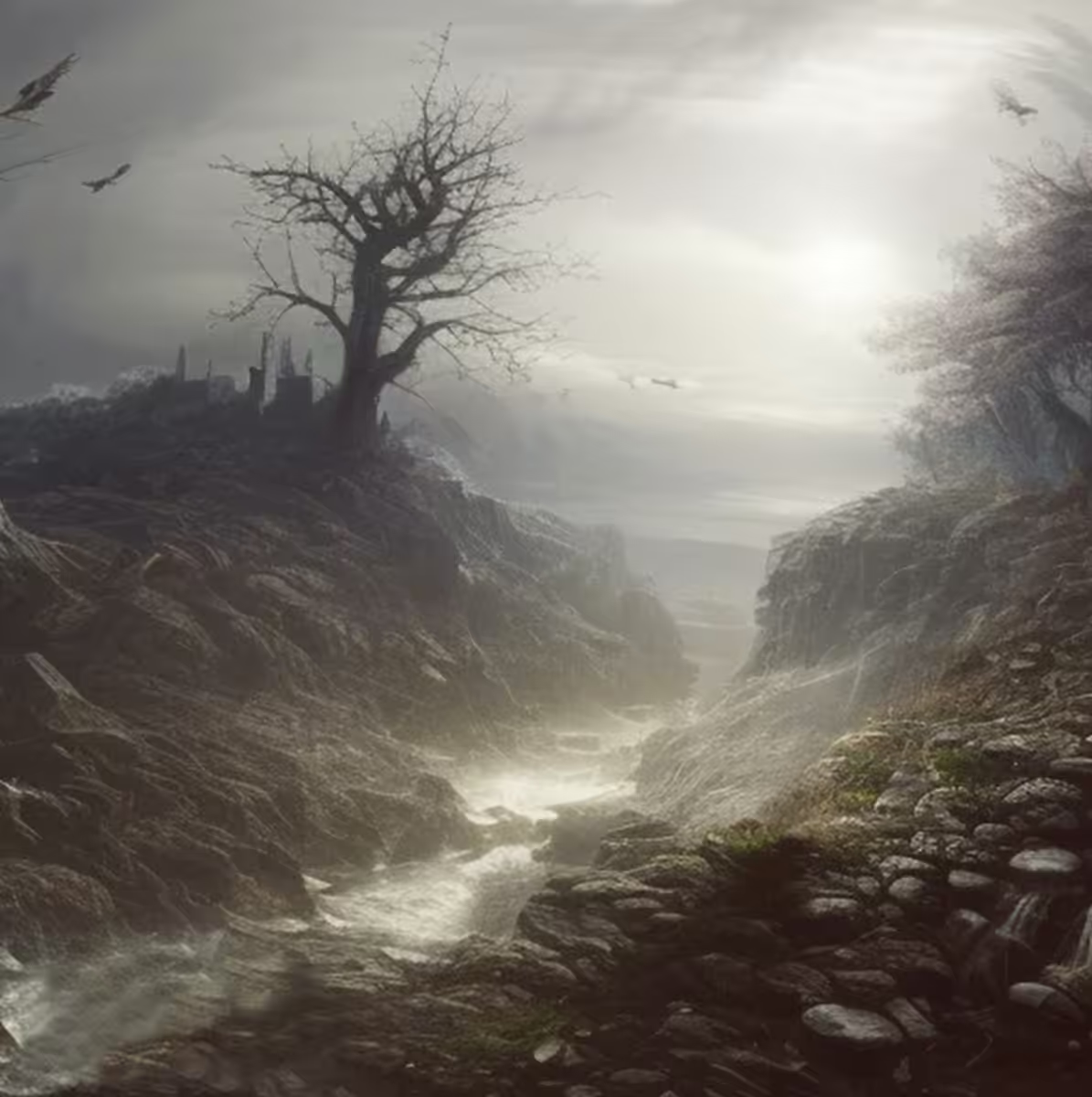
Gas Lands
Due to the combination of toxic pollution and radioactive elements dispersed by the apocalypse, the swamp emits a gas similar to Zyklon B, a highly poisonous compound known for its use during World War II.
The toxic gas mixes with the air, creating a lethal mist that spreads to the areas surrounding the swamp. This mist is invisible and odorless, making it difficult to detect and avoiding any advance warning of its presence. Any living creature that comes into contact with the gas is exposed to a quick and agonizing death.
The toxins present in the swamp mist act in a corrosive manner, causing severe damage to internal tissues and organs. Those who are exposed experience a rapid deterioration of their health, with symptoms including difficulty breathing, convulsions, internal bleeding, and failure of vital organs. Death is almost immediate, with no chance of survival or adequate treatment.
As a result of this deadly threat, the area around the swamp is considered completely uninhabitable. The plants and animals that once thrived in the area are now extinct or have been severely affected by the toxins, leaving the place devoid of life.
The swamp's toxic mist creates a natural barrier that prevents human exploration of the area. The survivors have learned to fear and avoid the swamp at all costs, recognizing it as a zone of extreme danger. The boundaries of the swamp are clearly demarcated, and any approach is considered an immediate risk to life.
Thus, in this post-apocalyptic scenario, the toxic swamp becomes as lethal a threat as radiation itself. Its poisonous mist containing a gas similar to Zyklon B prevents human exploration of the area and creates a dark, impassable frontier. Survivors are forced to bypass the swamp, keeping it as a constant reminder of the dangers of the post-apocalyptic world and the devastating consequences of irresponsible human actions.