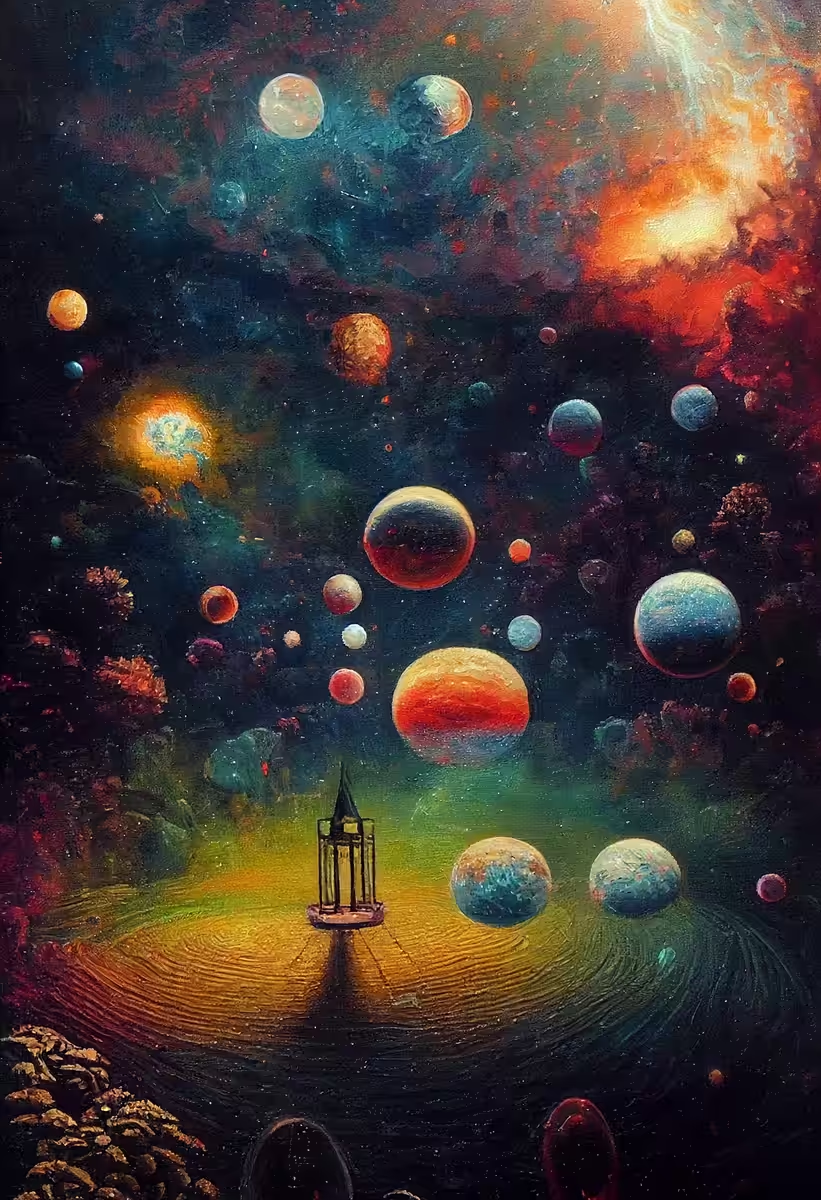
EDEN #3
Like the Genesis flood narrative, the Genesis creation narrative and the account of the Tower of Babel, the story of Eden echoes the Mesopotamian myth of a king, as a primordial man, who is placed in a divine garden to guard the tree of life. The Hebrew Bible depicts Adam and Eve as walking around the Garden of Eden naked due to their sinlessness.
Mentions of Eden are also made in the Bible elsewhere in Genesis, in Isaiah 51:3, Ezekiel 36:35, and Joel 2:3;Zechariah 14 and Ezekiel 47 use paradisical imagery without naming Eden.
The name derives from the Akkadian edinnu, from a Sumerian word edin meaning "plain" or "steppe", closely related to an Aramaic root word meaning "fruitful, well-watered". Another interpretation associates the name with a Hebrew word for "pleasure"; thus the Vulgate reads "paradisum voluptatis" in Genesis 2:8, and the Douay–Rheims Bible, following, has the wording "And the Lord God had planted a paradise of pleasure".