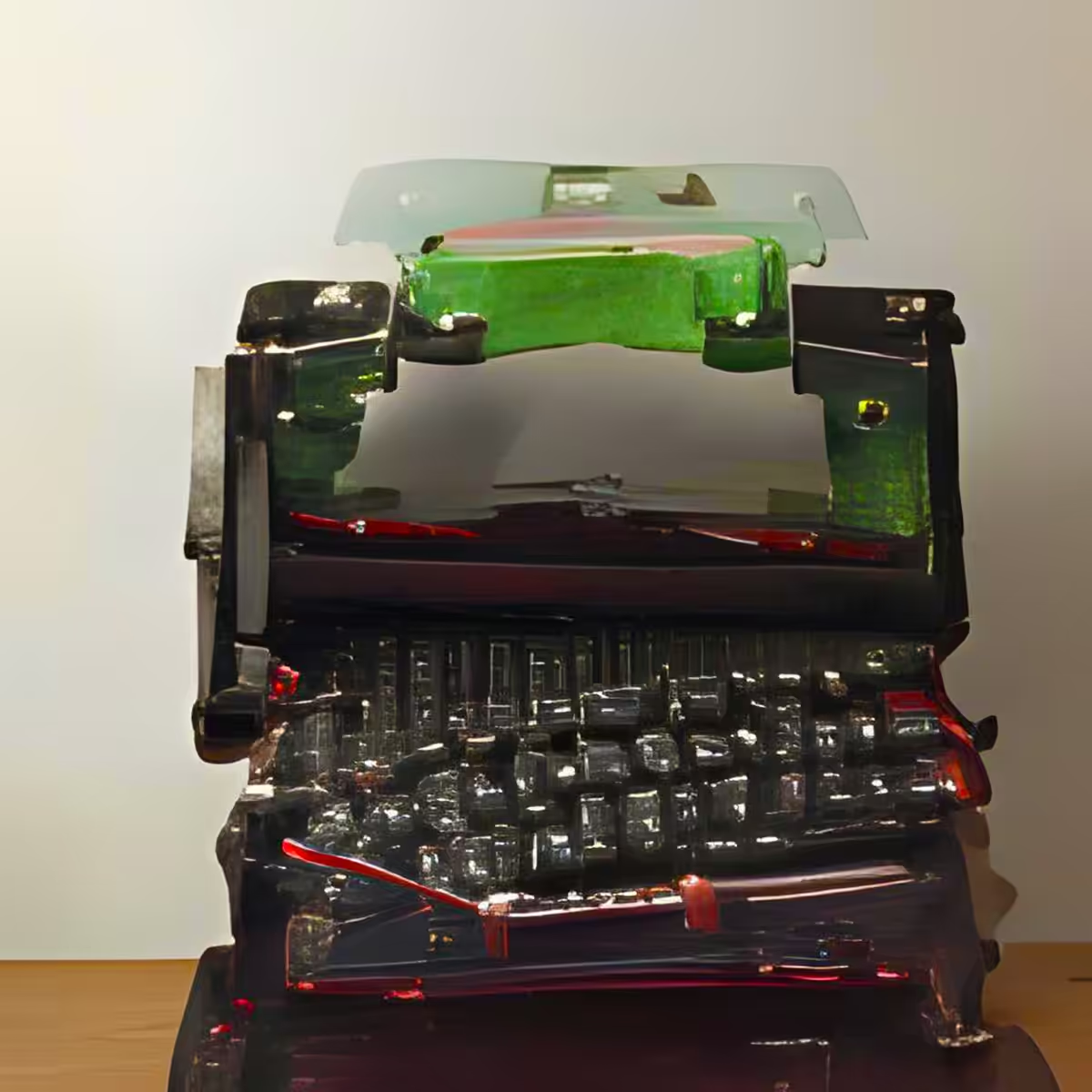
Early prototype for predictive typing's idea of predictive typing is based on predictions made by CovertKeys' automatic predictive typing, called DictKey. The aim is to be able to write the equivalent of a personal message that is a proofread but without the need for typing. To this end, DictKey has used the same predictive key system to create Holomail, a computerised, virtual secretary who sits in their living room and can type anything that anyone on their list of contacts has said. Holomail can, for example, type someone's name into a search engine for the name and find out what the person is called in real life. A sentence can be transcribed from a printed page using a device that looks like a mechanical piece of junk. It then automatically translates the translation into text on a computer screen. An intelligent technology detects keywords and builds a sentence based on a pre-defined list of characters that needs to be matched and then transcribed. This involves the use of an index that can be used to translate natural language, which matches as many as 20,000 different word combinations into about 200 categories. All of these words need to be stored in a way that they can be found when needed.