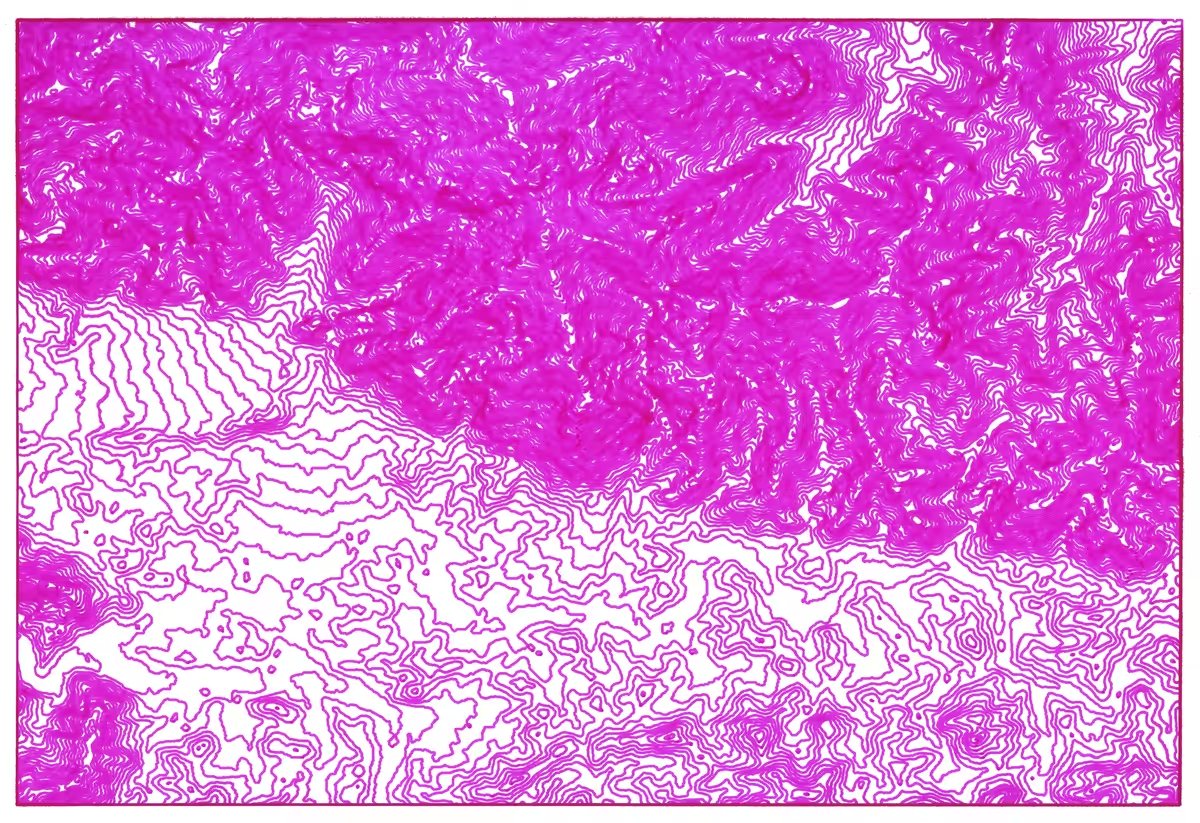
Chagai-I
Chagai-I was the first nuclear weapons test by Pakistan, which took place on 28th May 1998 in the Koh Hills in the mountainous Chagai region of Balochistan Province. Five uranium implosion bombs were detonated, one of which was a boosted fission/fusion device, with an estimated combined yield of 15 - 40 kilotons. . The theoretical physicist Abus Salam was chief scientific advisor to the Ministry of Science and Technology in Pakistan from 1960 to 1974, when he led the nuclear physics program, developing test and breeder reactors for plutonium. A private individual who did not publicise his role in developing weapons of mass destruction, he set up and led Pakistan's Theoretical Physics Group which designed the bombs. Salam made seminal contributions to electroweak theory and in 1976 he shared the Nobel prize with Glashow and Weinberg for unifying electromagnetic and weak forces, confirmed with the discovery of W, Z and Higgs bosons at CERN using the SPS ppbar accelerator. . After Pakistan precipitated, and lost, the Bangladesh war of independence in 1971, its scientists and engineers were tasked with developing nuclear weapons early in 1972. The Indian Smiling Buddha test in 1974 brought a new urgency and focus, with nuclear engineer Abdul Qadeer Khan brought in to oversee the uranium enrichment program . The location of Chagai-I was determined by seismic triangulation and satellite imagery of surface installations. The Chagai-I test was preceded by India's second bomb test weeks earlier, and was widely interpreted as a direct response. Shortly after the test a commemorative stamp was issued by the Government of Pakistan, to honour Salam's services. 28 May is officially declared in Pakistan as Youm-e-Takbir (day of Greatness) to commemorate the nuclear weapons tests. . Pakistan has carried out 2 nuclear tests (with one more suspected in China), and possesses an estimated 100-170 nuclear warheads. . "Test Anniversary" edition issued in support of nuclear disarmament: donate to https://cnduk.org/ . The original pen plot of the topography of the region was made using Stabilo pen and AxiDraw SE/A3, on 180g Bristol