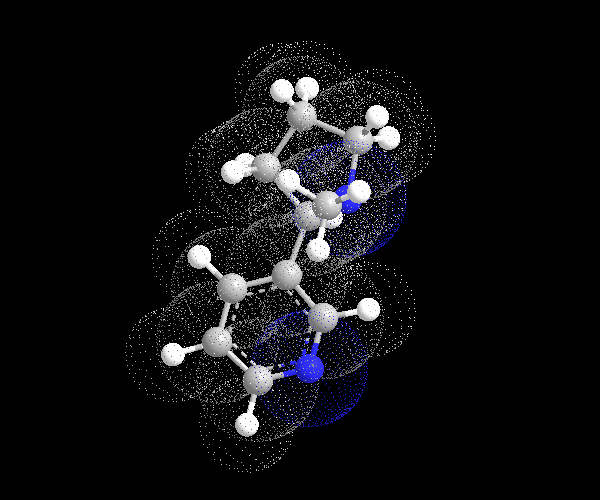
#20 Nicotine
Nicotine is a chemical that contains nitrogen, which is made by several types of plants, including the tobacco plant, even also produced synthetically. It is a stimulant drug that speeds up the messages traveling between the brain and body. Tar and carbon monoxide (a toxic gas) are also released when tobacco is burned, such as when it’s smoked. The products such as cigarettes, cigars, pipe tobacco, chewing tobacco, and wet and dry snuff, and the dried leaves from the tobacco plant all contain nicotine. Chewing or snorting tobacco products usually releases more nicotine into the body than smoking. Nicotine is at least as difficult to give up as heroin. The side effects of nicotine can affect the heart, hormones, and gastrointestinal system. Some studies suggest that nicotine may improve memory and concentration. There are more than one billion tobacco smokers worldwide.